Food Labels and Health
Saturday, 2026/05/30208 words3 minutes4647 reads
The modern food environment is increasingly recognized as obesogenic, with ultra-processed foods engineered to maximize palatability and, as some researchers suggest, addictiveness. Franco Sassi, a public health researcher at Imperial College London, argues that while individuals perceive themselves as autonomous decision-makers, environmental factors predominantly determine food choices.
Projections indicate that by 2050, over half of the global adult population will be obese if current trajectories persist. However, evidence demonstrates that strategic interventions can alter consumption patterns. Chile's 2016 implementation of mandatory warning labels on products high in sugar, salt, or calories precipitated a 23.8% reduction in purchases of high-calorie items.
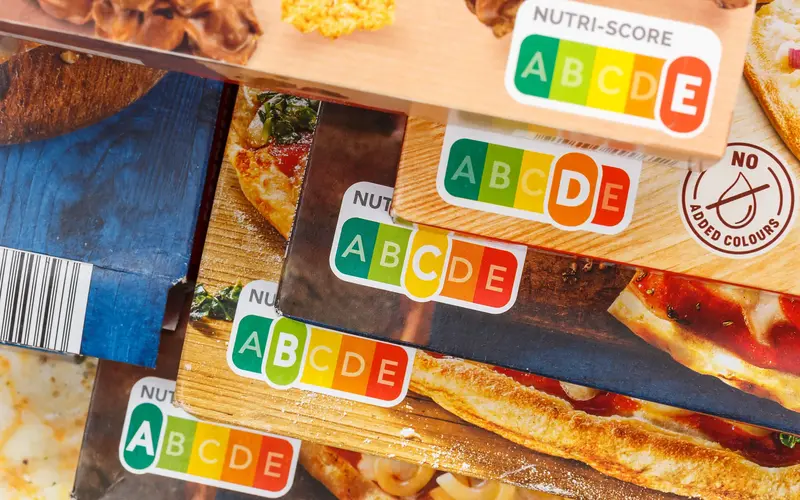
France's Nutri-Score system, a front-of-pack label utilizing color-coded letters from A (optimal nutritional quality) to E (poor nutritional quality), has catalyzed reformulation efforts by manufacturers and shifted consumer purchasing behavior. Research by Mathilde Touvier established correlations between nutritional quality and adverse health outcomes, including cancer, which intensified public scrutiny of the food industry.
Complementing policy interventions, behavioral research by Samuel Dicken and Abi Fisher demonstrated that personalized coaching reduced ultra-processed food consumption by 25% among participants. The intervention provided practical support including meal planning, cooking instruction, and guidance on sourcing healthier alternatives. Experts emphasize that comprehensive change requires multifaceted approaches addressing both systemic environmental factors and individual capacity-building.