World Cup Grass Scientists
Sunday, 2026/05/17248 words4 minutes4231 reads
As the 2026 World Cup approaches, the culmination of eight years of meticulous research by turfgrass scientists John Sorochan and Trey Rogers is about to face its ultimate test. Their mission: ensure that grass quality doesn't become a controversy, as it did during the 2024 Copa America when Argentina's players blamed poor pitch conditions for affecting their performance.
The researchers have conducted over 170 experiments to optimize every aspect of the playing surface. They've determined that just five millimeters in grass height can mean the difference between a pitch that plays like velcro and one that facilitates the quick passing essential for exciting football. Using specialized equipment, they've measured ball speed, bounce characteristics, and surface traction while testing different grass species and maintenance protocols.
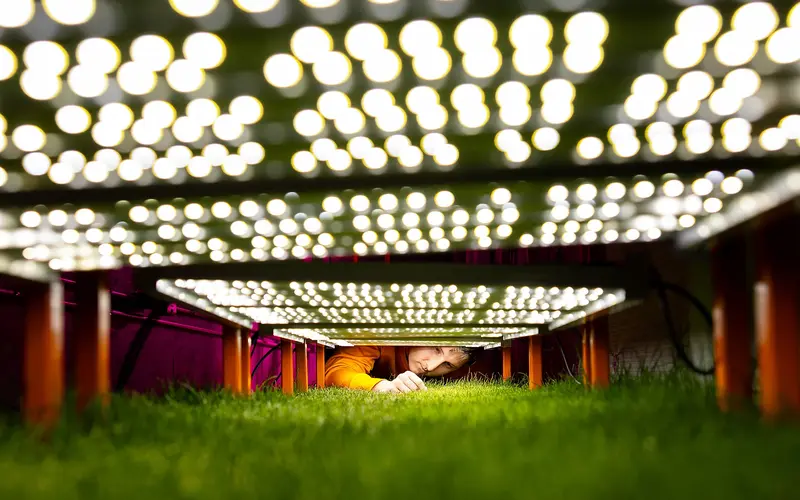
The geographic diversity of host cities presents unique challenges. Warmer climates will feature Bermuda grass, while cooler regions will use a Kentucky bluegrass and perennial ryegrass blend. The five domed stadiums pose the greatest difficulty, requiring sophisticated LED grow light systems to compensate for the absence of natural sunlight. To enhance durability and uniformity, plastic fibers similar to those in artificial turf have been woven into the sod.
The logistics are staggering: over a million square feet of grass must be transported in refrigerated trucks from rural sod farms and installed just ten days before matches begin. FIFA has invested more than $5 million in this research, hoping the investment will prevent complaints and potentially revolutionize how grass is used in sports stadiums worldwide.