What British People Really Mean When They Say 'Sorry'
Sunday, 2026/05/10179 words3 minutes6192 reads
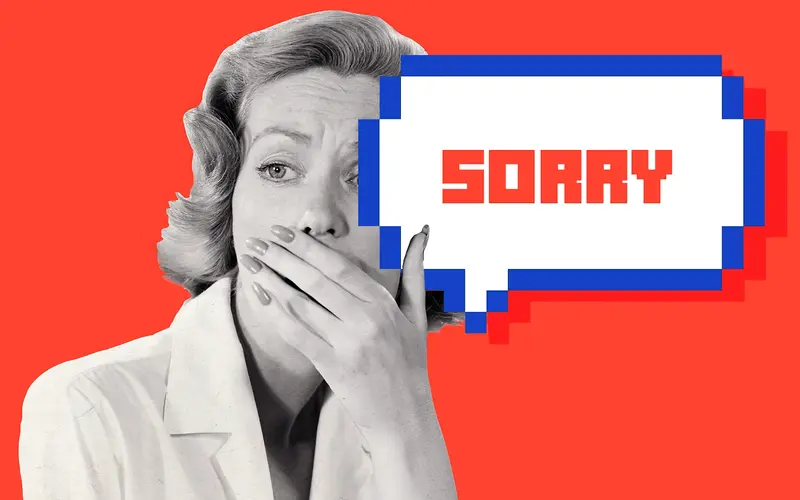
In the United Kingdom, "sorry" functions as far more than a conventional apology – it's a cultural reflex and linguistic pressure valve deployed approximately 3,000 times annually by the average Briton. This five-letter word serves to soften requests, neutralize awkwardness, fill conversational gaps, and circumvent the national aversion to appearing impolite.
The complexity lies not in frequency but in interpretation. "Sorry" can simultaneously express regret, function as "excuse me," signal disagreement, or mask annoyance. On streets, it repairs the social discomfort of accidental physical proximity. As "sorry?" with upward inflection, it replaces the blunter "what?" When preceding requests – "sorry, can I just..." – it minimizes the speaker's presence, apologizing for the inconvenience of their existence.
Perhaps most intriguingly, "sorry" enables confrontation while maintaining civility. "Oh, sorry..." often precedes an objection, while "sorry, but..." cushions disagreement. In queues, a pointed "sorry" enforces social rules without overt aggression. Britain's conflict-avoidant culture has transformed this word into a sophisticated politeness code – one that reveals the intricate social calculations underlying British communication and offers visitors essential insight into navigating interactions successfully.