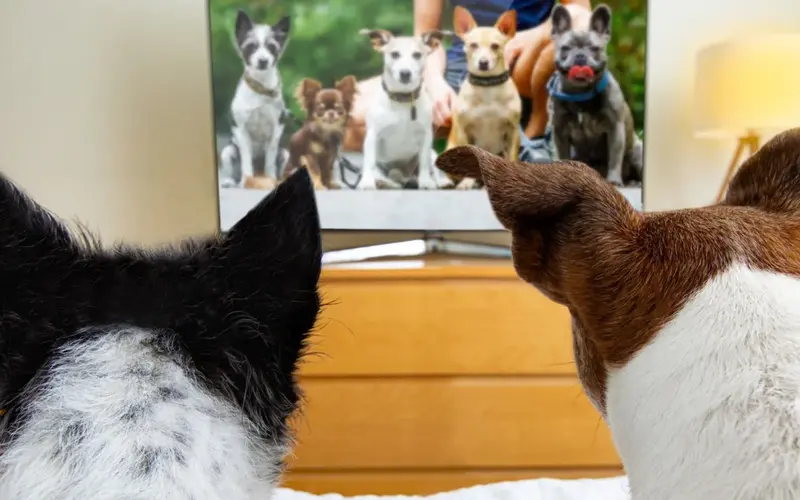
TV for Dogs Booms but Are They Watching?
Tuesday, 2026/04/14217 words3 minutes3609 reads
The phenomenon of television programming designed specifically for dogs has experienced remarkable growth over the past six years, driven by evolving attitudes toward pet ownership and increased awareness of canine separation anxiety. Pet owners increasingly treat their dogs as family members, leading to heightened concern about their wellbeing during periods of solitude.
Luca Carano, an Italian pilot, pioneered this niche market when he launched Siesta Dog TV on YouTube. His content features animated sequences predominantly in blue hues, which correspond to dogs' superior color perception in that spectrum. The videos incorporate calming ambient music and have garnered millions of views, demonstrating substantial market interest.
The scientific evidence regarding canine television consumption remains inconclusive. A 2023 study from Queen's University Belfast found that dogs in rescue shelters devoted merely 10.8% of available time to viewing screens and quickly habituated to their presence. Researchers emphasized that traditional enrichment methods, particularly social interaction with humans and other dogs, remain paramount for canine wellbeing. Conversely, research from Auburn University suggested that dogs experience meaningful engagement with television content.
Despite mixed research findings, companies like DogTV continue to develop sophisticated content. Their programming includes exposure therapy elements designed to desensitize dogs to anxiety-inducing stimuli such as fireworks or car rides, while post-production color enhancement aims to optimize visual appeal for canine viewers.