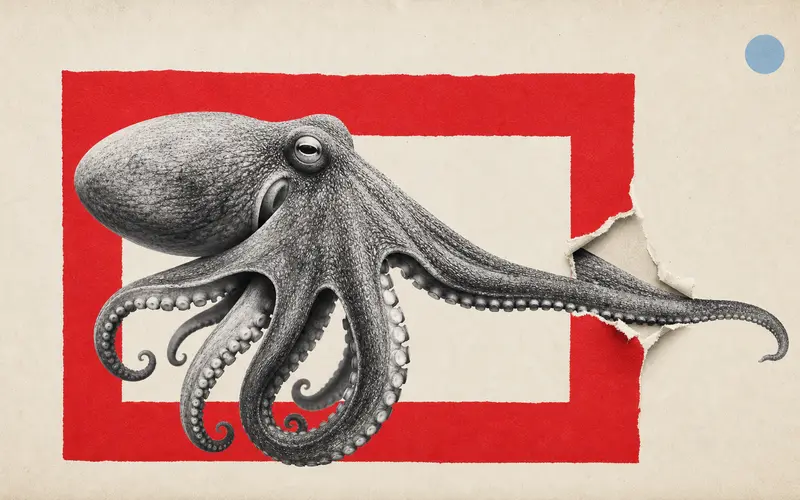
Spain's Planned Octopus Farm Is Abandoned
Thursday, 2026/08/06215 words3 minutes1234 reads
The withdrawal of a proposed commercial octopus farm in Gran Canaria has ended one of the most closely watched projects in modern aquaculture. Nueva Pescanova withdrew its application in July 2026 after a long regulatory process and intense public criticism. Reporting on the decision cited business and regulatory considerations, rather than a formal ruling that octopus farming is unacceptable.
The proposal had become a focal point for animal-welfare organisations and scientists. Critics argue that octopuses' intelligence, curiosity and often solitary behaviour make intensive captivity especially problematic. They also questioned the environmental efficiency of farming a carnivorous species that may require feed from wild fish. Those are substantive concerns raised by opponents, not conclusions that every authority has adopted.
Supporters of aquaculture have argued that farming could stabilise seafood supply and ease pressure on wild stocks. AP reported this rationale in coverage of declining octopus catches in Spanish waters. Yet the welfare and environmental trade-offs remain central to the dispute.
The case therefore matters beyond one Spanish project. It asks how food systems should respond when a species is both commercially valuable and widely recognised as cognitively complex. The farm's withdrawal does not settle that question, but it has accelerated public discussion about the limits of intensive aquaculture and the responsibilities involved in farming wild animals.