Japan's Capsule Toys Become a Global Business
Tuesday, 2026/08/04221 words3 minutes2059 reads
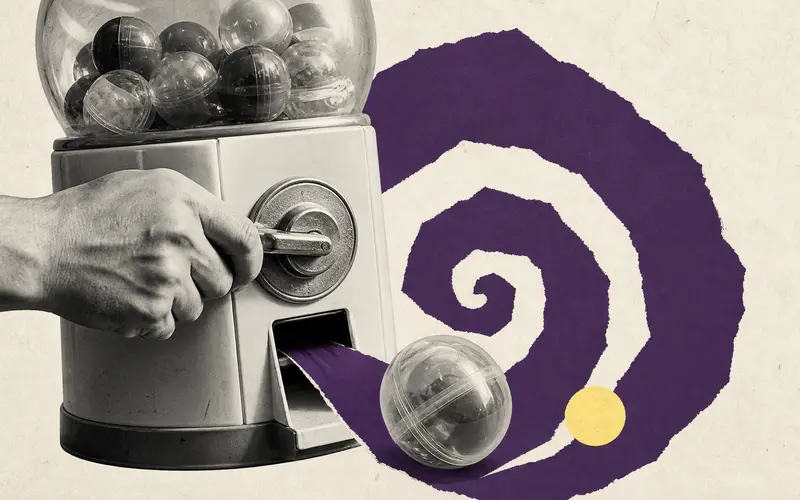
Capsule toys have moved far beyond the image of a children's vending machine. In Japan, the experience commonly known as Gashapon now appeals to adults, collectors and international visitors as well. Customers pay, turn a handle and receive a sealed capsule containing one item from a series. The uncertainty is part of the attraction, but the item is a physical product that can be displayed, exchanged or given away.
Companies have responded by widening their range. Alongside familiar character goods, machines offer detailed miniature objects and playful versions of ordinary products. This variety helps explain why adults can treat a small purchase as an accessible form of collecting rather than simply as a child's activity.
The business is growing. Bandai Namco, which introduced its Gashapon brand in 1977, says the Japanese capsule-toy market rose from 65 billion yen in fiscal 2023 to 80 billion yen in fiscal 2024, citing Japan Toy Association data. The company has identified Japan, Asia and North America as the main regions for its global strategy.
The trend illustrates how a simple retail ritual can travel across borders. It combines a low-stakes surprise, a collectible object and a brief hands-on action. As makers add products for different age groups and expand specialist stores, Japanese capsule toys are becoming both a cultural souvenir and an international consumer business.