Iran War and China's Energy Crisis
Friday, 2026/03/20196 words3 minutes2876 reads
The Iran war has precipitated a severe global energy crisis, with Iran's blockade of the Strait of Hormuz disrupting approximately 20 million barrels of daily oil shipments—roughly one-fifth of global supply. The crisis has devastated Gulf-reliant Asian economies, forcing the Philippines to mandate four-day work weeks and Indonesia to deplete reserves lasting mere weeks.
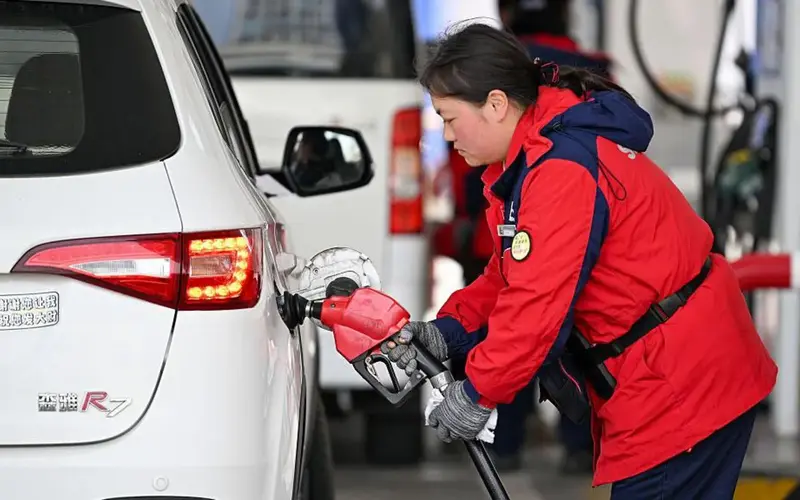
China, consuming 15 to 16 million barrels daily as the world's largest oil buyer, faces significant challenges. However, decades of strategic statecraft have positioned Beijing advantageously. Russia supplies nearly a fifth of China's oil imports, circumventing Middle Eastern vulnerabilities. Furthermore, coal—abundantly produced domestically—dominates China's electricity generation, with oil and gas comprising merely a quarter of its total energy mix.
Beijing has accumulated substantial reserves estimated at 900 million to 1.4 billion barrels, providing a crucial buffer during supply disruptions. The country's ambitious renewable energy transition has proven prescient, with clean sources generating over half of installed capacity. Electric vehicles, representing at least a third of new car sales, have decoupled mobility costs from volatile international oil markets. While China remains vulnerable to price premiums and petrochemical industry impacts, its diversified energy portfolio and strategic reserves demonstrate remarkable resilience compared to regional counterparts.