China's Electric Cars Are Going Global
Wednesday, 2026/07/08249 words4 minutes3030 reads
For years, China's electric vehicle industry grew mainly because of strong domestic demand and government support. Now, Chinese automakers are looking beyond their home market and expanding rapidly into overseas markets, challenging some of the world's oldest car manufacturers.
Companies such as BYD, Geely, Chery and SAIC have increased their presence in Europe, Southeast Asia and other regions by offering electric vehicles with competitive prices, advanced battery technology and attractive designs. BYD, one of China's largest EV makers, has seen overseas sales become an increasingly important part of its growth strategy. In June 2026, the company reported another month of global sales growth, supported by a significant increase in exports even as competition in China's domestic market became more intense.
One reason behind the success of Chinese EV companies is their advantage in battery technology and manufacturing efficiency. China has developed a complete electric vehicle supply chain, covering battery production, raw materials, electronics and vehicle assembly. This allows companies to reduce costs and bring new models to market faster. The expansion of Chinese electric cars has created new challenges for traditional automakers in Europe and other markets. Companies that have dominated the global car industry for decades are now under pressure to accelerate their transition from gasoline-powered vehicles to electric models.
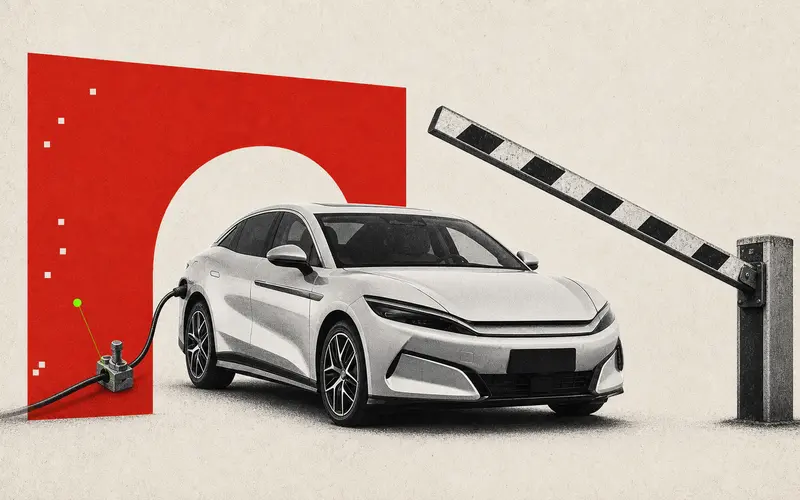
However, global expansion is not without obstacles. Chinese automakers face trade barriers, regulatory differences and increasing competition in overseas markets. Despite these challenges, the rise of Chinese electric vehicles represents a major shift in the global automobile industry.