World Cup Controversy: FIFA Decision to Lift Balogun's Ban Sparks Debate
Tuesday, 2026/07/07215 words3 minutes433 reads
FIFA's disciplinary framework has come under intense global scrutiny following a contentious decision to overturn the suspension of United States striker Folarin Balogun ahead of a pivotal World Cup knockout fixture. The controversy has reignited debates about the intersection of politics and international sporting governance.
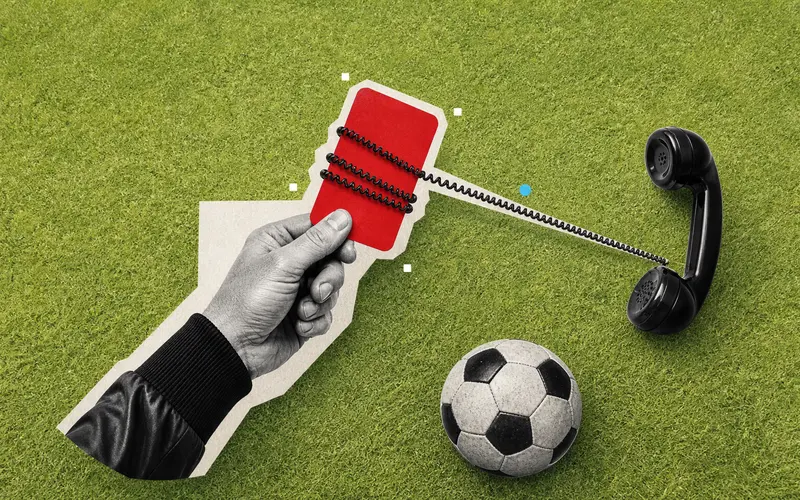
Balogun's red card during an earlier match would ordinarily have triggered an automatic one-game suspension. However, FIFA's subsequent decision to lift the ban, enabling him to feature against Belgium in the round of 16, provoked widespread criticism. The situation intensified when reports surfaced that U.S. President Donald Trump had personally intervened by contacting FIFA President Gianni Infantino regarding the case.
Belgium formally contested the ruling, asserting that the last-minute reversal created an inequitable competitive environment. FIFA dismissed the appeal, maintaining that the decision adhered to established disciplinary protocols. Critics, however, questioned whether political leverage had compromised the integrity of what should have been a purely sporting adjudication.
This incident underscores the complex dynamics between major sporting institutions and political influence. While organizations like FIFA strive to maintain autonomy, events of the World Cup's magnitude inevitably attract political attention due to their profound cultural and economic ramifications. Ultimately, the United States' 4-1 defeat to Belgium rendered the controversy somewhat moot, though it has left lasting questions about governance in international football.