The UN Vote on Slavery: Understanding Reparations
Monday, 2026/04/06144 words2 minutes1417 reads
The United Nations General Assembly voted this week to declare the transatlantic slave trade "the gravest crime against humanity." The resolution was supported by 123 countries, while only three voted against it.
Between the 15th and 19th centuries, approximately 12-15 million African people were captured and forced to work as slaves in the Americas. Two million died during the journey. UN Secretary-General Antonio Guterres said Western nations built their wealth on "stolen lives and stolen labour."
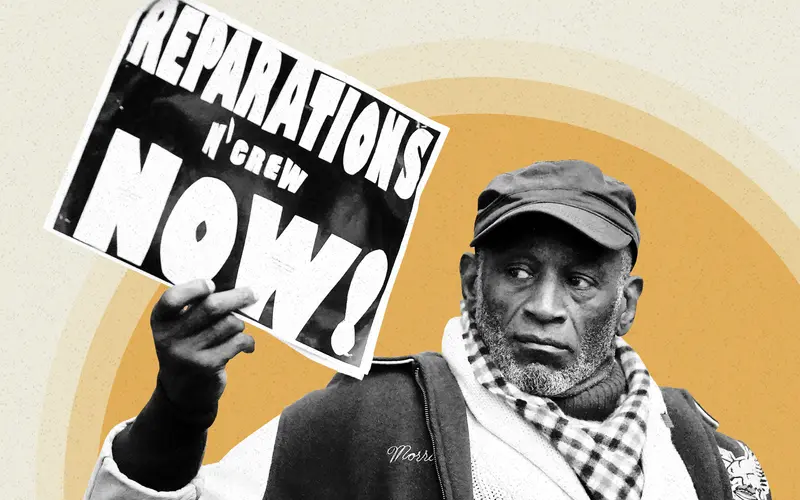
Many African and Caribbean countries now want reparations - formal apologies and financial compensation for slavery's lasting effects. However, most Western nations have refused to pay. Some argue that people today shouldn't be responsible for their ancestors' crimes. Others say identifying descendants is too complicated.
The UN vote is not legally binding, but experts believe it gives political legitimacy to the reparations movement and could encourage further discussions.