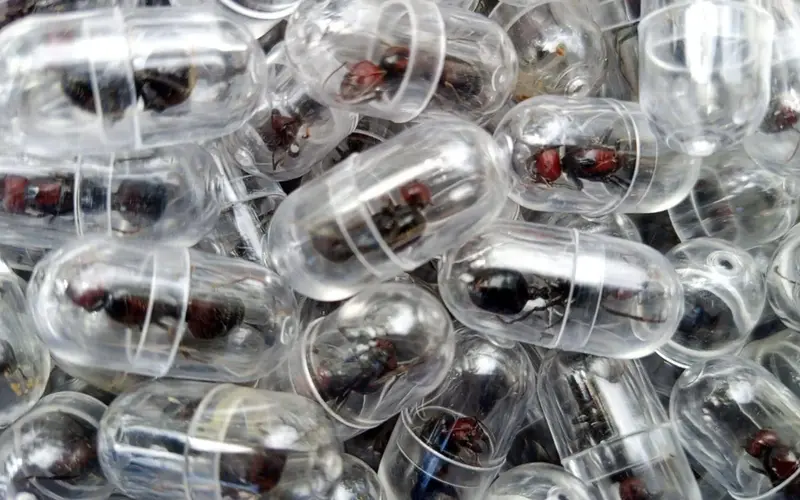
One Ant for $220: The New Frontier of Wildlife Trafficking
Monday, 2026/04/06204 words3 minutes1532 reads
Kenya is dealing with an unexpected form of wildlife trafficking: the illegal trade of giant African harvester ants. These large, red queen ants can sell for up to $220 each on the black market, driven by a global hobby of keeping ants in transparent containers called formicaria.
The town of Gilgil in Kenya's Rift Valley has become the center of this trade. During the rainy season, queen ants leave their nests to mate, making them easy targets for collectors. A single fertilized queen can establish an entire colony and live for decades, sometimes up to 70 years.
Last year, authorities discovered 5,000 live queen ants at a guest house in Naivasha, packed in test tubes with moist cotton wool. The suspects from Belgium, Vietnam, and Kenya planned to export them to Europe and Asia. Recently, another 2,000 ants were seized at Nairobi's international airport.
Scientists are concerned about the environmental impact. Harvester ants play a crucial role in ecosystems by collecting and dispersing seeds, which helps maintain healthy grasslands. Removing too many queens could disrupt local biodiversity.
While the trade is currently illegal without proper permits, some argue Kenya could regulate and commercialize ant farming to create jobs and revenue while protecting the environment.