Japan's Allergy Crisis: A Legacy of Post-War Reforestation
Wednesday, 2026/05/20152 words2 minutes3766 reads
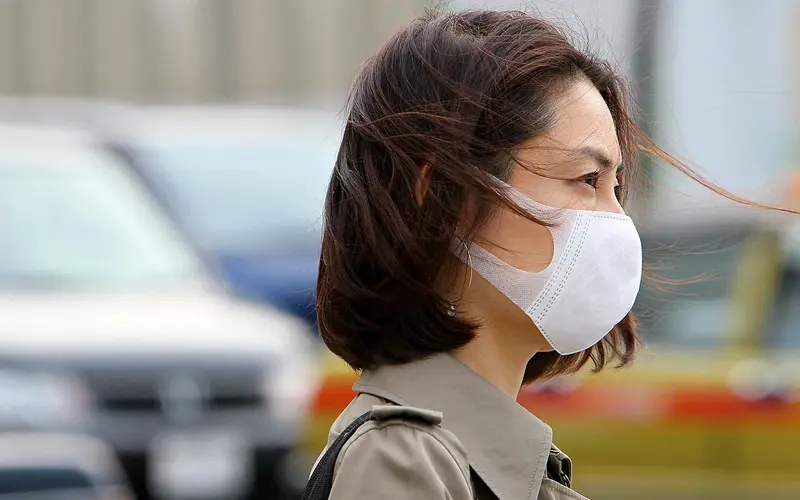
Japan is facing a serious health problem: hay fever affects 43% of its population. Every spring, millions of people suffer from allergies caused by tree pollen. The economic impact reaches $1.6 billion per day during peak season.
This crisis began after World War Two. Japan's forests were destroyed during the war when trees were used for fuel. To quickly restore the forests, the government planted only two species: Japanese cedar (sugi) and Japanese cypress (hinoki). These fast-growing trees now cover 10 million hectares—one-fifth of Japan's land.
The problem is that these trees produce massive amounts of lightweight pollen that drifts into cities. After 30 years, the trees release even more pollen. In 2023, Japan declared allergies a national problem and set a goal to reduce pollen by 50% in 30 years. Some cities like Kobe are already replacing plantation forests with diverse natural forests, which support more wildlife and produce less pollen.