How Emojis Became a Shared Digital Language
Saturday, 2026/08/08143 words2 minutes694 reads
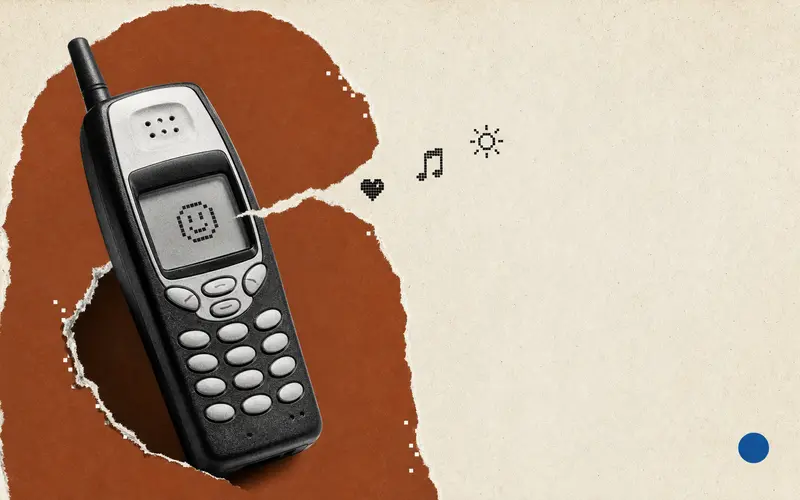
Emoji comes from two Japanese words: e, meaning picture, and moji, meaning character. In 1999, designer Shigetaka Kurita created a set of 176 tiny symbols for NTT DoCoMo's early mobile internet service in Japan. The designs used a 12-by-12-pixel grid and included weather signs, hearts, faces and transport symbols.
At first, emoji systems did not always work between different phone companies. A major change came when Unicode added hundreds of Japanese mobile-phone emoji to its standard in 2010. Unicode gives characters shared codes, so the same message can be read on many kinds of phones and computers.
Companies still design their own versions of each emoji, so the picture may look different on different platforms. More importantly, its meaning depends on context. Emoji can make a message warmer or clearer, but they can also cause confusion when people read the same symbol differently.