Where Olympians Keep Their Medals
Monday, 2026/02/16195 words3 minutes1718 reads
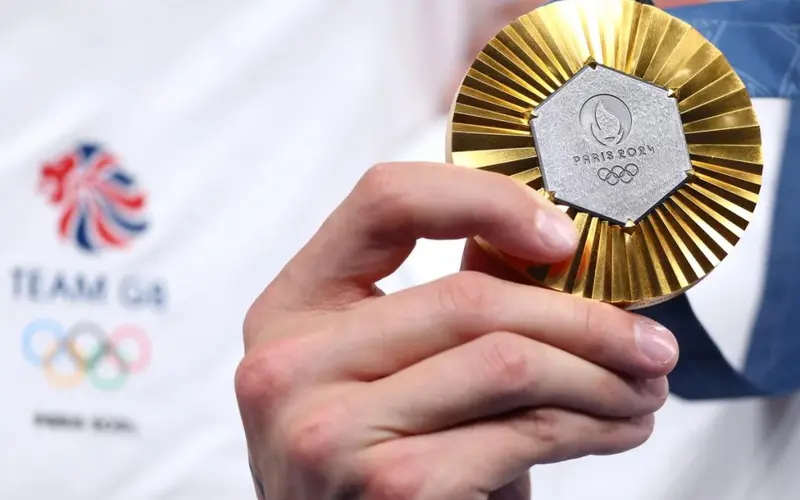
Olympic medals epitomize athletic excellence, representing decades of relentless training and sacrifice. Yet paradoxically, many champions relegate these coveted treasures to remarkably prosaic locations: sock drawers, nightstands, and kitchen cabinets.
Alex Hall, a slopestyle skier, dismisses his parents' suggestion of a safe as "ridiculous," preferring to store his 2022 gold medal beneath thermal underwear. This sentiment resonates across the Olympic community. Ryan Lochte, whose 12 medals make him the second most decorated male swimmer in history, and Mikaela Shiffrin, one of Alpine skiing's greatest competitors, both favor sock drawer storage. Christopher Mazdzer's IKEA dresser accommodates his 2018 silver medal alongside mundane accessories.
This phenomenon stems from multiple factors. Many athletes lack both the inclination and resources for elaborate trophy displays typical of wealthier professional athletes. More fundamentally, they view medals as communal assets rather than personal trophies. "The journey was more important," explains Chris Fogt, articulating a widespread perspective among Olympians.
Some athletes have reconsidered. Mirai Nagasu donated her bronze medal to inspire future skaters, while Ryan Lochte sold three medals, characterizing them as merely "a cherry on top." These decisions underscore an evolving relationship with Olympic achievement—one that prioritizes shared experience over material preservation.