The Hidden World of Gut Viruses
Friday, 2026/02/06211 words3 minutes2155 reads
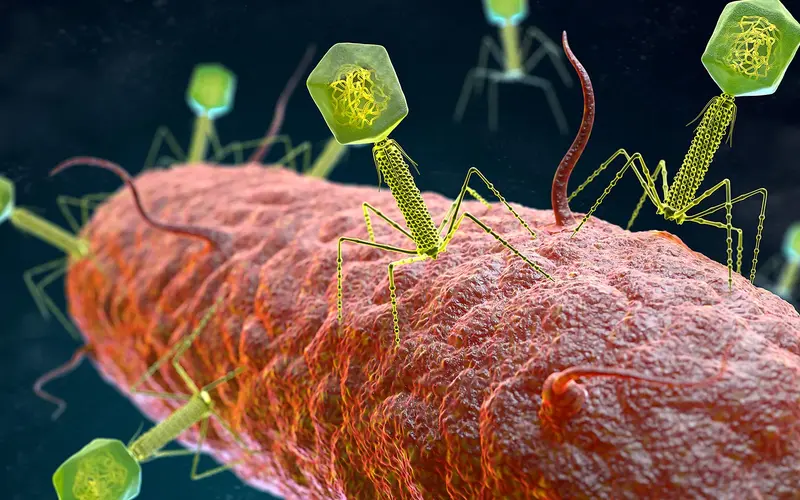
Recent scientific advancements have unveiled a fascinating microcosm within our digestive system: the phageome. This vast collection of bacteriophages, or phages, coexists with the well-known microbiome in a complex and dynamic relationship that significantly impacts human health.
The phageome's diversity is staggering, with billions or even trillions of these bacterial viruses inhabiting our gut. Researchers are grappling with this enormous variety, exemplified by databases like the Gut Phage Database, which contains over 140,000 phages—likely a mere fraction of the total.
Phages play a multifaceted role in the gut ecosystem. They act as predators, keeping bacterial populations in check, much like wolves regulate deer populations in a forest. However, the phage-bacteria relationship is more nuanced than simple predation. Phages can transfer beneficial genes to bacteria, enhancing their survival capabilities or metabolic functions.
The composition of an individual's phageome is highly personalized and influenced by factors such as age, diet, and lifestyle. Alterations in the phageome have been associated with various gastrointestinal disorders, suggesting its potential as a diagnostic tool or therapeutic target.
As our understanding of the phageome grows, so does its potential in medicine. Researchers are exploring phage therapy as a targeted approach to treating bacterial infections, potentially offering an alternative to broad-spectrum antibiotics in an era of increasing antibiotic resistance.