The Fading Tradition of Kite Flying in India
Thursday, 2026/04/02201 words3 minutes1823 reads
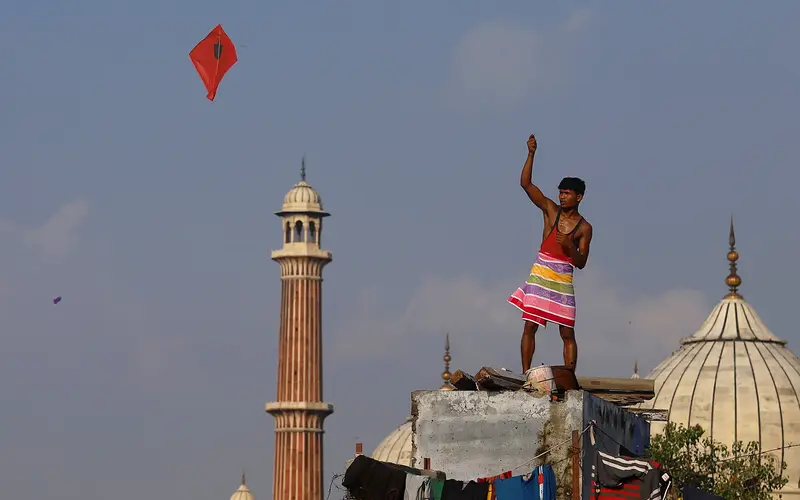
Kite flying in India, a tradition spanning centuries and surviving wars, colonialism, and pandemics, now faces an existential threat. Syed Moinuddin, the legendary "godfather of kite-flying," once captivated audiences by flying 1,187 kites on a single string. His sons, Jamaluddin and Mukhtar Ahmad, inherited this passion and competed internationally, yet now struggle to find time for their craft amid economic pressures.
The tradition's decline stems from multiple factors. Digital technology has diverted attention, particularly among youth, while climate change-induced heatwaves make outdoor activities increasingly unbearable. In Old Delhi's Lal Kuan market, only five of the original twenty kite shops remain. Sellers like Mohammad Khalid attribute the downturn to "mobile, internet, and TV," though a brief resurgence occurred during Covid-19 lockdowns.
Most alarmingly, illegal manjha strings—coated with glass or metal fragments—have caused fatal injuries to motorcyclists, pedestrians, and birds. Despite state bans since 2017, these deadly strings persist in black markets, casting suspicion over the entire practice. Yet advocates argue that kite flying offers irreplaceable cultural value, fostering community bonds, preserving independence-era symbolism, and providing a remedy for digital addiction. For veterans like Mohammad Ghayas, battling kidney cancer, kite flying represents not merely tradition but a lifeline—a defiant thread against mortality itself.