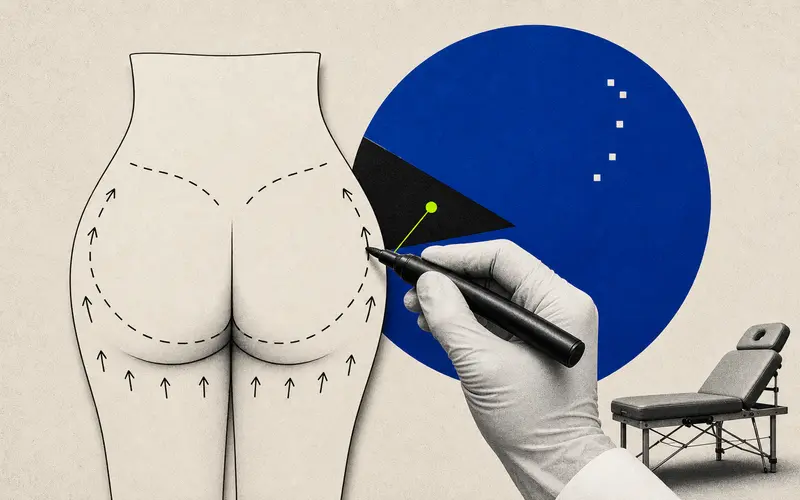
The Dark Side of the Brazilian Butt Lift Boom
Thursday, 2026/07/09212 words3 minutes2015 reads
When Alice Webb, a 33-year-old mother of five, underwent a non-surgical Brazilian butt lift at a makeshift clinic in September 2024, she anticipated completing the procedure in time for the afternoon school run. Instead, she died within 24 hours, becoming the UK's first known fatality from this increasingly popular treatment involving high-volume dermal filler injections into the buttocks.
Her death has intensified scrutiny of Britain's largely unregulated aesthetics industry, where cosmetic injectables have proliferated across high street salons, rented office spaces, and hotel rooms. Unlike Austria, where such procedures are restricted to medical professionals, or France, which prohibits non-medical practitioners from administering injectable treatments, the UK maintains a notably permissive regulatory framework that prioritizes consumer choice and economic innovation.
Undercover investigations have exposed practitioners operating from temporary premises, offering prescription-only medicines without proper consultations, and administering treatments with potentially catastrophic consequences. Joanne developed sepsis after receiving one litre of filler and required hospitalization, while Louise Moller underwent extensive surgery to remove necrotic tissue following a similar procedure.
Despite warnings from the 2013 Keogh Review that dermal fillers represented "a crisis waiting to happen," comprehensive regulation has been repeatedly postponed. While Scotland and England have announced intentions to implement licensing schemes, substantial legislative work remains, and enforcement challenges persist across fragmented regulatory authorities.