Tech's Screen-Free Future
Monday, 2026/06/29223 words3 minutes4067 reads
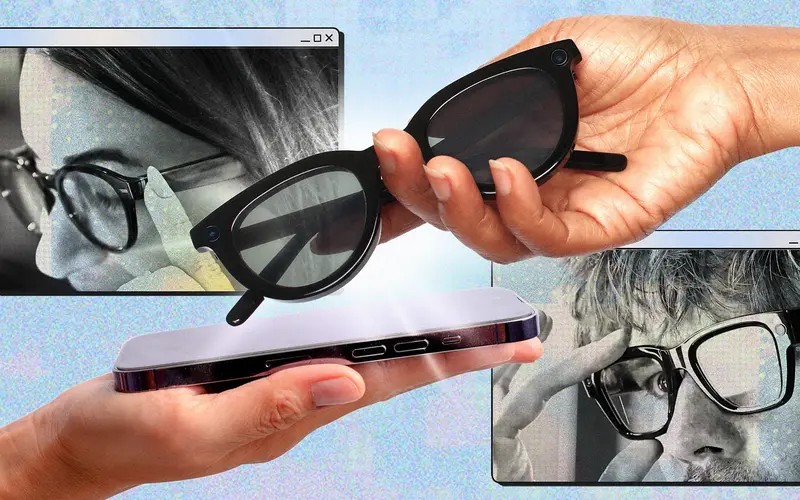
Leading technology companies are pioneering a fundamental shift in human-computer interaction, developing wearable devices that could substantially diminish our reliance on traditional screens. Apple is reportedly preparing to launch AirPods equipped with cameras by next year. These cameras won't function as conventional imaging devices but will instead feed environmental data to Siri, enabling unprecedented screen-free interactions.
Snap's recently unveiled Specs, priced at £1,995, represent a significant milestone as they can operate autonomously without smartphone pairing—a departure from typical smart glasses architecture. Meta's smart glasses have achieved remarkable commercial success with seven million units sold, demonstrating genuine market appetite for such technology.
The promise is compelling: users could navigate daily tasks, from obtaining recipe suggestions based on refrigerator contents to receiving contextual navigation assistance, without ever glancing at a screen. However, this vision confronts substantial privacy concerns. The proliferation of inconspicuous recording capabilities has sparked considerable backlash, with critics arguing that indicator lights provide insufficient protection against surreptitious surveillance.
Yet the ultimate question remains ambiguous. Will these innovations genuinely reduce screen time, fostering a more humane relationship with technology? Or will they simply expand technology's intrusion into our lives, adding new devices while preserving existing screen habits? As analyst Ben Wood notes, while smartphones remain integral to society's fabric, there exists both industry and consumer desire to "lift our heads" from constant screen engagement.