Taipei Zoo Invites Visitors to Discover What Animals Do After Dark
Saturday, 2026/07/04237 words3 minutes4217 reads
Taipei Zoo is transforming the traditional zoo experience by extending its hours after dark on nine consecutive Saturday evenings from July 4 to August 29, 2026. This summer programme, celebrating the 20th anniversary of the zoo's evening events, offers visitors an opportunity to observe how animal behaviour fundamentally changes between daylight and darkness.
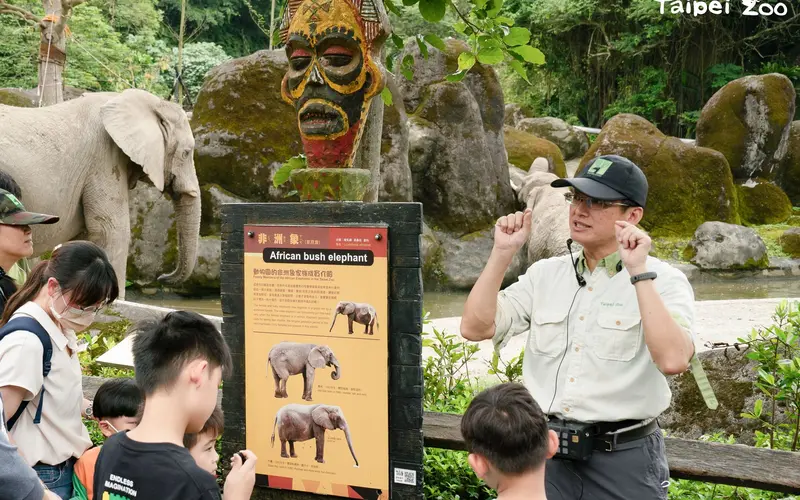
The programme incorporates several areas for the first time, including the Temperate Zone and Penguin House, alongside established sections such as the Giant Panda House, Koala House, and Amphibian and Reptile House. Zoo keepers will deliver educational talks exploring the nocturnal and crepuscular behaviours of species ranging from Eurasian otters to clouded leopards, revealing patterns that remain largely invisible during conventional daytime visits.
Beyond mere observation, the programme addresses broader conservation themes, including habitat loss, climate change, and human-wildlife conflicts. Nature films and educational activities complement the keeper talks, positioning the zoo as a centre for public education rather than simply entertainment. However, the programme also acknowledges the limitations of captive observation: zoo environments are carefully managed, and what visitors witness represents only a partial view of natural behaviour.
The initiative offers practical benefits as well, providing relief from Taipei's intense summer heat and humidity. Yet it requires careful management of lighting, noise, and crowd behaviour to avoid disrupting the animals. Ultimately, the night-opening programme invites visitors to reconsider their assumptions about animal life and recognize how much remains hidden during ordinary daylight hours.