Surviving in a Poisoned Land: Chernobyl's Wildlife
Thursday, 2026/04/30229 words3 minutes2374 reads
Four decades after the catastrophic explosion at Chernobyl's reactor number four, the ecological consequences remain both fascinating and contentious. Evolutionary biologist Pablo Burraco's nocturnal expeditions to capture tree frogs revealed an intriguing pattern: specimens from highly contaminated zones exhibited darker pigmentation than their counterparts elsewhere. His hypothesis suggests that elevated melanin levels might confer protective benefits against radiation, though this interpretation faces scrutiny from peers like Timothy Mousseau, who questions the correlation between melanisation and current radioactivity levels.
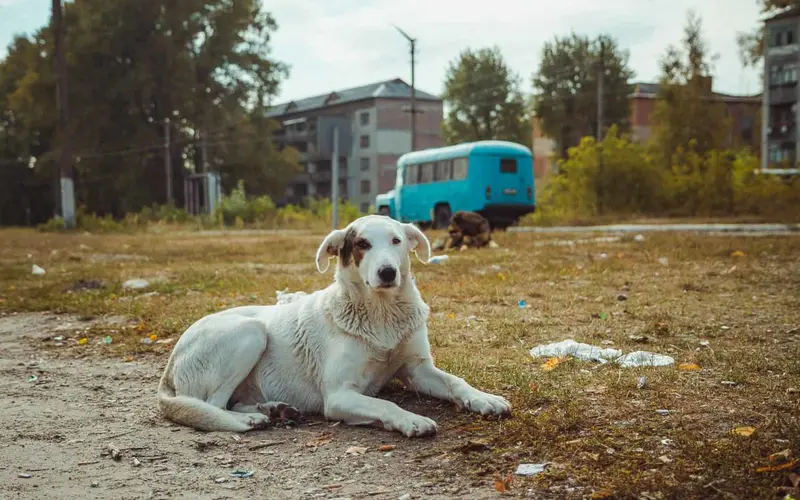
The scientific debate extends beyond frogs. Genetic variations in feral dogs and bank voles inhabiting the exclusion zone have been documented, yet attributing these changes specifically to radiation rather than other environmental factors remains challenging. Radiobiologist Carmel Mothersill emphasizes that the landscape itself has fundamentally transformed—radiation-sensitive pine forests gave way to birch-dominated ecosystems, creating entirely different habitats that naturally influence resident species.
Paradoxically, human absence may have benefited wildlife more than radiation harmed it. Wolves, bears, and bison now flourish where people once lived, with wolf populations reaching seven times those in surrounding reserves. Brown bears, absent for over a century, have returned. Yet the picture isn't uniformly positive: barn swallows face compounding stresses from radioactive heat and climate change, while questions about transgenerational mutations and true evolutionary adaptations remain unresolved. As geographer Jonathon Turnbull notes, Chernobyl's ecological narrative defies simple characterization—it's a complex tapestry of resilience, adaptation, and ongoing uncertainty.