Surviving Extreme Heat in India
Sunday, 2026/06/07242 words4 minutes4259 reads
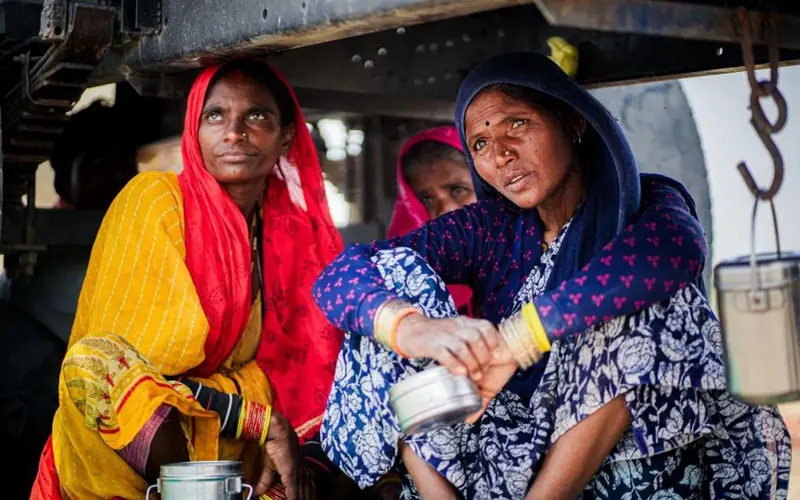
In May, Banda district in Uttar Pradesh endured an extraordinary heatwave, with temperatures hovering at 47-48°C for over a week. This dusty region, home to more than two million people, held the unenviable distinction of being India's hottest place. What proved most striking was not merely the temperature itself, but the profound ways residents adapted their entire existence around the relentless heat.
By 6am, the sun had already forgotten it was morning, casting the hard glare of afternoon across the landscape. The vegetable market at Atarra wound down before most cities had properly woken up, with farmers desperate to sell produce before the heat rendered it unsellable. Mason Pappu Verma restructured his workday into split shifts, acknowledging that "whatever I earn would be spent on medicines" if he worked continuously through the midday inferno.
The heat's burden falls disproportionately on the poor. Road worker Shanti Devi, who walks twelve kilometers daily, articulated the grim reality: "Poor people don't have the luxury of worrying about the heat." Researchers attribute Banda's vulnerability to multiple factors: its location near the Tropic of Cancer, extensive sand mining and groundwater depletion weakening the Ken river's cooling capacity, and dramatic deforestation—nearly one-sixth of dense forest cover disappeared between 1991 and 2022. Climate scientists warn that the Indo-Gangetic Plain is becoming one of the world's emerging hotspots for dangerous humid heat, with research estimating that Uttar Pradesh could account for over 8,000 excess deaths during a severe five-day heatwave.