Spain Revives 'Goat-Cows' to Help Prevent Wildfires
Friday, 2026/07/31241 words4 minutes2177 reads
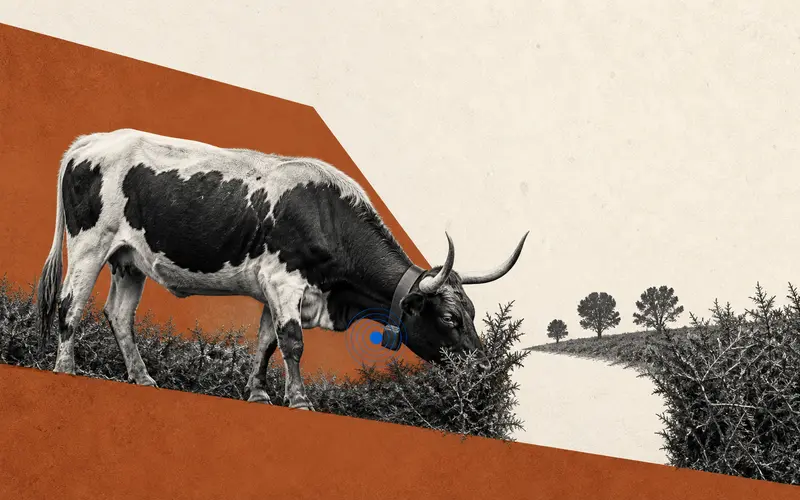
In northwestern Spain's Galicia region, communities are strategically reintroducing native livestock breeds as a nature-based solution to escalating wildfire threats. Central to this effort is the Cachena, the Iberian Peninsula's smallest bovine breed, colloquially termed "goat-cow" due to its diverse diet and remarkable ability to traverse steep mountain terrain inaccessible to conventional cattle.
These animals preferentially graze on combustible shrubs including brambles, gorse and broom—vegetation known to burn with particular intensity and facilitate fire progression from ground level into tree canopies. By systematically reducing flammable undergrowth while maintaining partial vegetation cover, the livestock effectively diminish fire fuel loads without complete ecosystem denudation.
The initiative gained momentum following a catastrophic 2017 conflagration in Vincios parish, prompting community land associations to resurrect time-tested fire prevention strategies centered on breeding native goats, sheep and Cachena cattle. According to regional association BOAGA, native livestock populations surged from just over 1,800 in the late 1990s to exceeding 30,000 by early 2026, with Cachena numbers alone climbing from approximately 400 to around 8,000.
Regional governmental programs have incentivized farmers to retain young female cattle, while a local zoological facility provides subsidized bulls. GPS collar technology enables free-range grazing without conventional fencing infrastructure. Fire management specialists emphasize that while grazing demonstrably reduces wildfire risk, optimal results require integration with complementary interventions including selective thinning, strategic pruning and professionally administered controlled burns. This synthesis of traditional pastoral practices with contemporary technology exemplifies innovative landscape stewardship in fire-prone Mediterranean ecosystems.