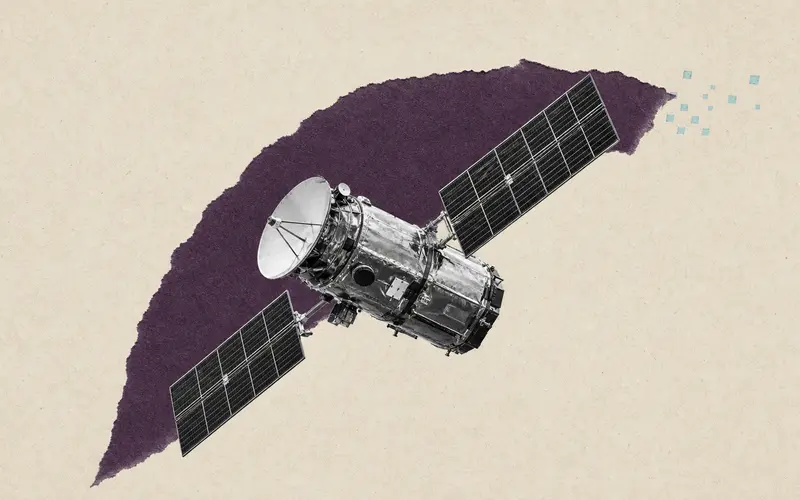
Why Satellites Are Vulnerable in a Space Conflict
Monday, 2026/08/10201 words3 minutes846 reads
The security of satellites is becoming an important issue because orbital systems now support critical infrastructure on Earth. Navigation, communications, weather observation, financial timing and emergency response can all depend on space-based services. A disruption in orbit can therefore create consequences far beyond the space industry.
BBC Future describes a growing range of risks, including cyber intrusion, electronic interference and suspicious close approaches between spacecraft. These threats do not all have the same effect, and many public claims about them remain uncertain or disputed. Still, the 2022 cyberattack that disrupted commercial satellite modems in Ukraine and Central Europe demonstrated that a satellite network can be an early target during a conflict.
Physical damage creates a separate problem. Fragments from a destroyed spacecraft can remain in orbit for years and threaten other systems. If collisions produce still more fragments, access to useful orbits could become harder for everyone. This potential cascade is known as the Kessler Syndrome.
The central lesson is not that war in space is inevitable. It is that shared satellite infrastructure needs resilience: diverse systems, clear rules, accurate tracking and plans for service failures. As societies rely more heavily on satellites, protecting their civilian functions becomes a global concern.