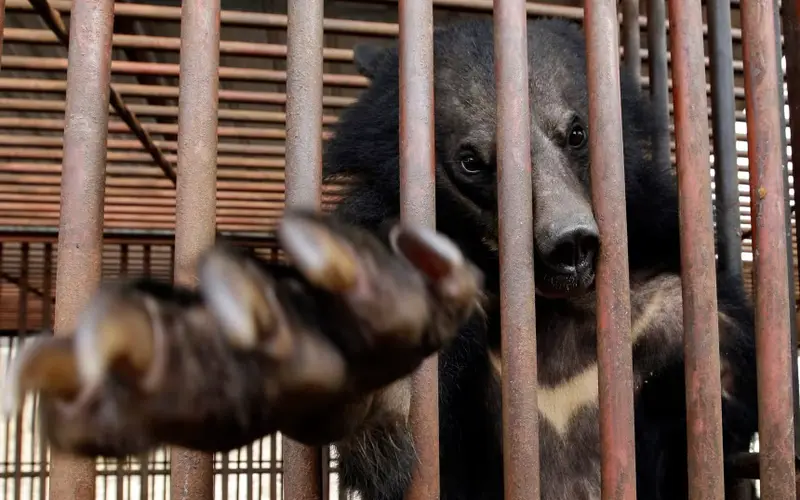
South Korea to End Bear Bile Farming
Thursday, 2026/01/01199 words3 minutes2462 reads
The South Korean government has announced a landmark decision to formally terminate its controversial bear bile farming industry, effective January 1, 2024. This move, part of a broader 2022 agreement among officials, farmers, and animal rights advocates, signifies a pivotal shift in the nation's approach to animal welfare and conservation.
The practice of bear bile farming, which primarily involves Asiatic black bears, has been a contentious issue due to its perceived cruelty and questionable medicinal efficacy. The new legislation will prohibit the breeding and possession of bears for bile extraction, with stringent penalties including imprisonment for violators.
While 21 bears have already been relocated to a government-run sanctuary in Jeolla province, approximately 200 bears remain in captivity across 11 farms nationwide. The transition presents significant challenges, including disputes over farmer compensation and the need for adequate sanctuary space.
Animal rights groups have lauded the government's commitment but emphasize the urgency of establishing larger protection facilities. Conversely, some farmers express dissatisfaction with the proposed compensation, highlighting the complex socio-economic implications of this policy shift.
This ban not only reflects South Korea's evolving stance on animal rights but also aligns with global conservation efforts, potentially influencing similar practices in other regions.