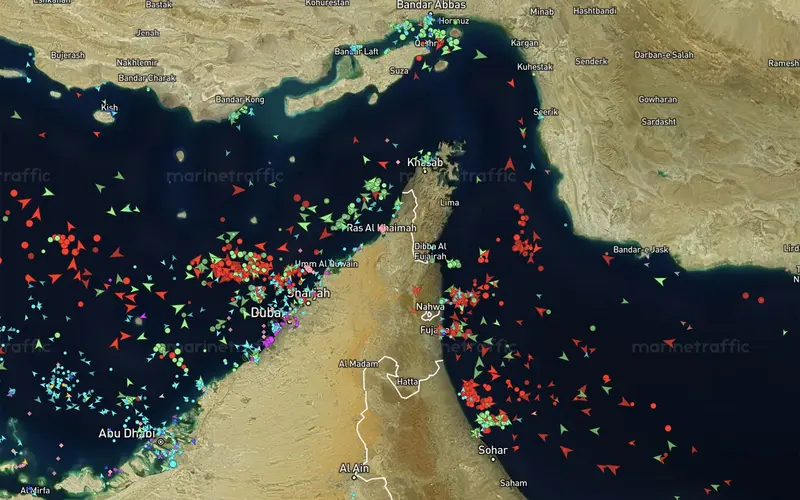
Ships Remain Cautious Approaching Strait of Hormuz
Friday, 2026/04/10188 words3 minutes2220 reads
The Strait of Hormuz has emerged as a critical flashpoint in the US-Israel conflict with Iran, after Tehran effectively choked off one of the world's most strategically vital shipping corridors. The two-week ceasefire negotiated on Tuesday stipulated safe passage guarantees, yet maritime traffic remains severely constrained.
Despite the agreement, vessels continue receiving threats of being targeted and destroyed without prior authorization. BBC Verify analysis of ship-tracking data reveals only eleven vessels have transited the strait since the ceasefire—a stark contrast to the pre-conflict average of 138 daily crossings.
Shipping analysts emphasize multiple complicating factors. The ceasefire's limited duration creates reluctance among operators to risk vessels becoming trapped when the window closes. Additionally, reports suggest Iran may impose transit tolls, potentially violating existing US sanctions and creating legal complications for shipping companies. The possibility of sea mines and Iran's continued territorial control through the Islamic Revolutionary Guard Corps further compound uncertainties.
The disruption has reverberated through global markets, destabilizing energy prices and exposing the fragility of international supply chains dependent on this chokepoint for transporting not only oil but also chemicals essential for semiconductor manufacturing, pharmaceuticals, and agricultural fertilizers.