Robot Soldiers in Ukraine War
Tuesday, 2026/03/10201 words3 minutes2340 reads
Since Russia's full-scale invasion, Ukraine's conflict has evolved into a technologically sophisticated war. Armed uncrewed ground vehicles have emerged as critical assets, complementing aerial drones and naval vessels in reshaping modern warfare.
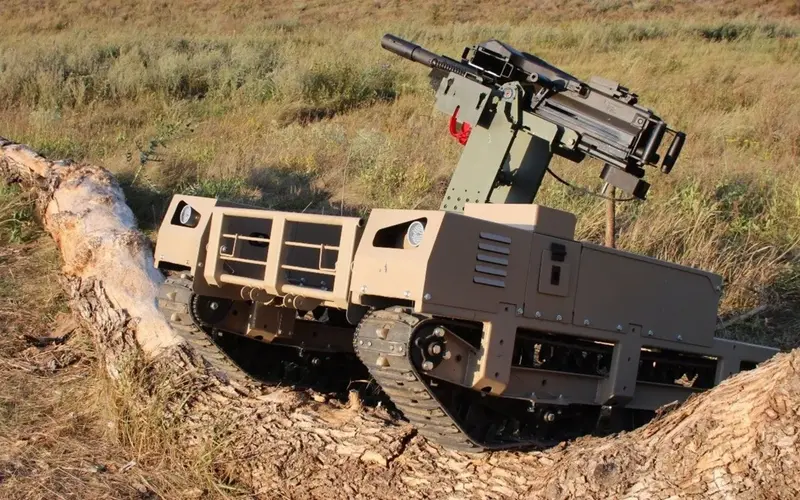
Ukraine's K2 brigade operates what its commander claims is the world's first UGV battalion. These robots, mounted with Kalashnikov machine guns, venture into combat zones where infantry would face prohibitive risks. Battery-powered kamikaze variants laden with explosives silently infiltrate enemy fortifications, offering tactical advantages over audible aerial drones. Reports indicate UGVs have successfully repelled assaults and even captured enemy combatants.
Despite advancing autonomy, ethical considerations and international humanitarian law mandate human oversight. Modern UGVs can navigate independently and identify targets, but operators retain firing authority to prevent misidentification of civilians. Remote operation via internet connectivity enables engagement from secure distances.
Former commander-in-chief Valerii Zaluzhnyi envisions imminent deployment of AI-coordinated swarms attacking simultaneously across multiple domains. Ukraine's severe manpower deficits make UGVs indispensable—the nation can sustain robotic losses but cannot afford casualties among battle-ready personnel. Russia's parallel development of combat UGVs, including the autonomous Kuryer system, suggests robot-versus-robot engagements will become increasingly prevalent. Ukrainian manufacturers project demand surging to 40,000 units in 2026, with strike variants comprising 10-15% of production.