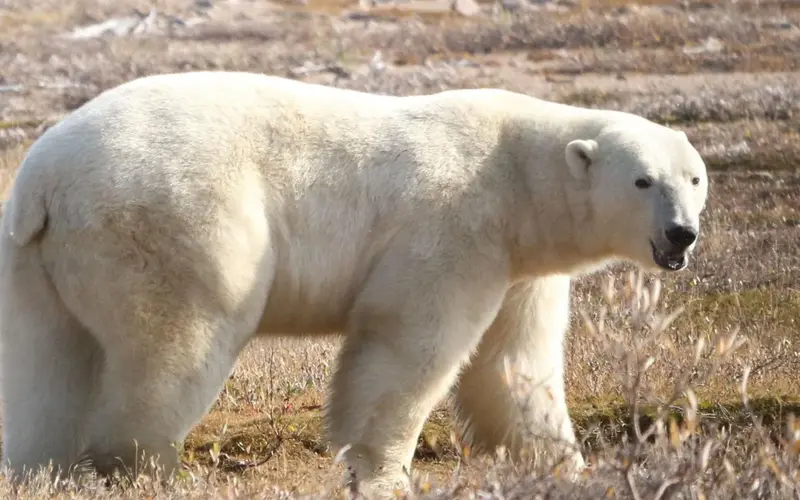
Polar Bears Adapting to Climate Change
Tuesday, 2025/12/16215 words3 minutes3637 reads
Recent research conducted by the University of East Anglia has unveiled intriguing evidence suggesting that polar bears may be undergoing genetic adaptations in response to climate change. The study, spearheaded by Dr Alice Godden from UEA's School of Biological Sciences, focused on polar bears inhabiting southeastern Greenland and revealed notable alterations in gene expression related to heat-stress response, ageing processes, and metabolic functions.
This genetic plasticity offers a glimmer of hope for the species' survival in the face of rapidly changing Arctic ecosystems. Dr Godden posits that these adaptations could serve as a crucial 'genetic blueprint' for conservation efforts. However, she emphatically stresses that this finding should not detract from the urgent need to mitigate global temperature increases.
The research also uncovered modifications in gene expression areas associated with lipid metabolism. This adaptation is particularly significant given the increasing food scarcity polar bears face due to the melting of sea ice, which traditionally serves as their hunting platform for seal prey. These genetic shifts may be facilitating the bears' gradual adaptation to less energy-dense, plant-based diets necessitated by warmer climates.
Despite these promising findings, the situation for polar bears remains dire. Dr Godden notes that two-thirds of the population is projected to disappear by 2050, underscoring the critical importance of immediate and sustained conservation efforts.