Picasso Artworks Moved to Women's Restroom in Australian Museum
Tuesday, 2026/02/03238 words3 minutes2385 reads
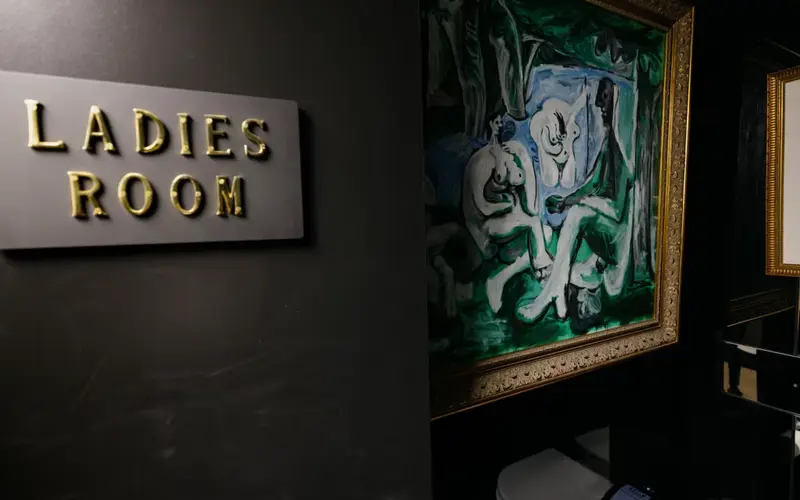
In an unprecedented move, the Museum of Old and New Art (MONA) in Tasmania, Australia, has relocated several Picasso artworks to a women's restroom following a discrimination complaint. This unconventional decision came in response to a legal challenge against the museum's 'Ladies Lounge' installation, which previously housed the pieces.
The 'Ladies Lounge,' conceived by curator Kirsha Kaechele, was an experiential artwork that offered women an exclusive space to appreciate art while enjoying luxurious amenities. However, this gender-specific concept ran afoul of Australia's 1998 Anti-Discrimination Act when a male visitor filed a complaint after being denied entry.
In April, the Tasmanian Civil and Administrative Tribunal ruled that the exhibit violated anti-discrimination laws, ordering MONA to cease restricting entry based on gender identity. Kaechele, who had argued that the exclusion of men was an integral part of the artwork—designed to mirror historical discrimination against women—was compelled to reconsider the installation's format.
In a creative response to the legal constraints, Kaechele opted to transfer the Picasso works—two paintings and a drawing—to a fully functional women's restroom within the museum. She wryly described this relocation as adding 'Cubism to the cubicles,' maintaining the artworks' exclusivity to female visitors while ostensibly complying with legal requirements.
This controversial solution has ignited debates about the intersection of art, gender, and public spaces, challenging conventional notions of art display and accessibility while raising questions about the limits of artistic expression in the face of anti-discrimination legislation.