Pandas Leave Japan: A Farewell to Lei Lei and Xiao Xiao
Thursday, 2026/01/29229 words3 minutes2784 reads
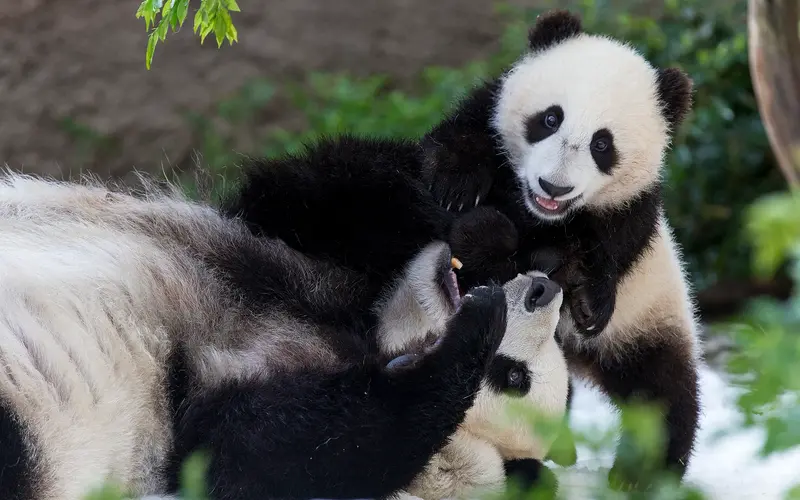
The departure of giant pandas Lei Lei and Xiao Xiao from Tokyo's Ueno zoological gardens marks a significant moment in Japan-China relations, ending a half-century of panda presence in Japan. These four-year-old twins, born in captivity, have been at the heart of 'panda diplomacy' – a soft power strategy employed by China to foster international goodwill.
Their repatriation comes amid a period of diplomatic tension between the two Asian powers, sparked by Japanese Prime Minister Sanae Takaichi's comments regarding potential military intervention in Taiwan. This statement provoked a strong reaction from Beijing, which considers Taiwan its territory.
The abrupt announcement of the pandas' return has elicited mixed reactions from the Japanese public. While many express profound sadness at the bears' departure, a recent poll suggests a majority of Japanese citizens do not support negotiations for new pandas. This sentiment reflects the complex interplay between public affection for these charismatic megafauna and the broader geopolitical context.
Experts in East Asian international relations, such as Professor Masaki Ienaga, caution against over-interpreting the pandas' departure as a purely political move. They note that China routinely recalls pandas from foreign countries, and the timing may not necessarily be indicative of diplomatic maneuvering. Nevertheless, the absence of these beloved animals leaves a palpable void in Japan's cultural landscape and serves as a tangible reminder of the fluctuating nature of international relations in the region.