No Phones on Safari: India's New Rules for Tiger Tourism
Saturday, 2026/05/02213 words3 minutes2770 reads
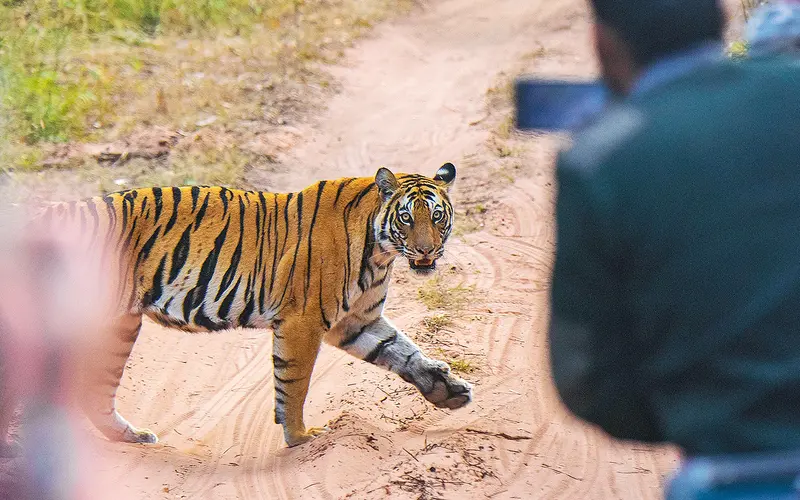
India's Supreme Court has implemented a comprehensive ban on mobile phone usage within core tourism zones of the country's tiger reserves, marking a significant shift in wildlife tourism policy. The November 2025 ruling responds to escalating concerns about tourist behavior that prioritizes documentation over conservation, exemplified by a viral February video showing a visibly stressed tiger in Ranthambore National Park trapped by surrounding safari vehicles.
The legislation addresses multiple dimensions of unsustainable tourism. Geotagged social media posts have transformed specific locations into overcrowded hotspots, while WhatsApp communication between drivers accelerates the formation of "safari jams." Sharad Kumar Vats, CEO of Nature Safari India, emphasizes the existential stakes: "If we are not sensitive to them, they will cease to be. And when there is no tiger, there will be no tiger tourism."
The reforms extend beyond phone restrictions, banning night safaris and limiting development in fringe areas while prioritizing community-managed establishments over mass tourism infrastructure. This approach reflects a global trend, with Kenya, Svalbard, and Sri Lanka implementing similar measures. Sustainable tourism consultant Ritu Makhija frames the challenge clearly: "The principle is simple and necessary: conservation comes first." The regulations demand that the industry fundamentally recalibrate visitor expectations toward slower, more immersive experiences that recognize wildlife encounters as privileges rather than guaranteed photo opportunities.