New UK Drone Rules: Theory Test Required for Outdoor Flying
Saturday, 2026/01/03211 words3 minutes3130 reads
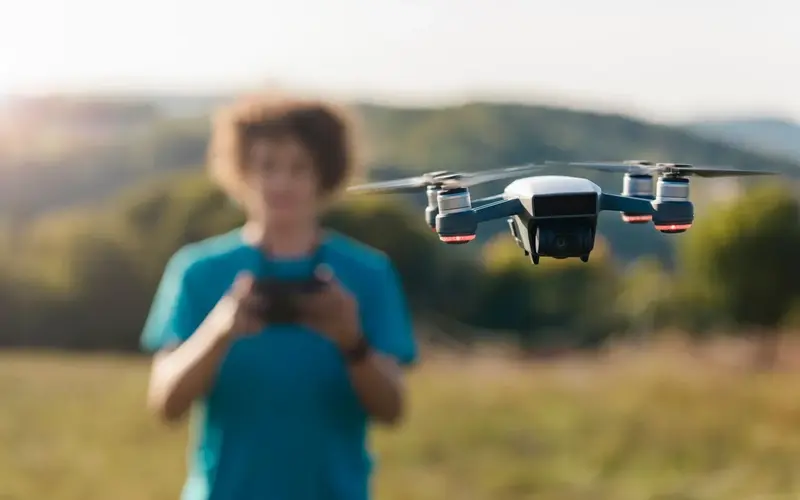
The United Kingdom is set to implement stringent new regulations governing drone usage, effective January 1. These measures mandate that individuals intending to operate drones or model aircraft weighing 100 grams or more in outdoor settings must successfully complete an online theory test administered by the Civil Aviation Authority (CAA) to obtain a Flyer ID. This requirement, previously applicable only to heavier drones, represents a significant expansion of regulatory oversight.
The CAA estimates that this regulatory shift could impact up to half a million people in the UK. In addition to the Flyer ID requirement, drone owners operating devices equipped with cameras must also register for an Operator ID, irrespective of the drone's weight.
These comprehensive regulations are designed to streamline understanding and facilitate the safe proliferation of drone technology across the UK. The rules encompass various age groups, with specific provisions for children under 13 and those aged 12 or younger, emphasizing parental supervision and responsibility.
While the CAA underscores the legal implications of non-compliance, including potential fines and imprisonment for severe infractions, some experts, like Dr. Alan McKenna from the University of Kent, question the practicality of enforcement given resource constraints. This raises broader concerns about the long-term impact of increased drone usage on privacy, safety, and environmental considerations.