New Cancer Treatment: Immunotherapy
Sunday, 2026/04/19186 words3 minutes2476 reads
After more than a century of development, immunotherapy is fundamentally transforming oncology by harnessing the body's immune system to combat cancer with unprecedented precision and efficacy.
The case of Maureen Sideris exemplifies this paradigm shift. Following grueling surgical treatment for colon cancer in 2008, she faced esophageal cancer in 2022. This time, she enrolled in a clinical trial receiving dostarlimab, an immune checkpoint inhibitor. After four months of tri-weekly infusions, her tumor vanished entirely—without surgery, chemotherapy, or radiation. Her experience represents a growing cohort benefiting from immunotherapy's promise of personalized treatment, long-term remission, and reduced side effects.
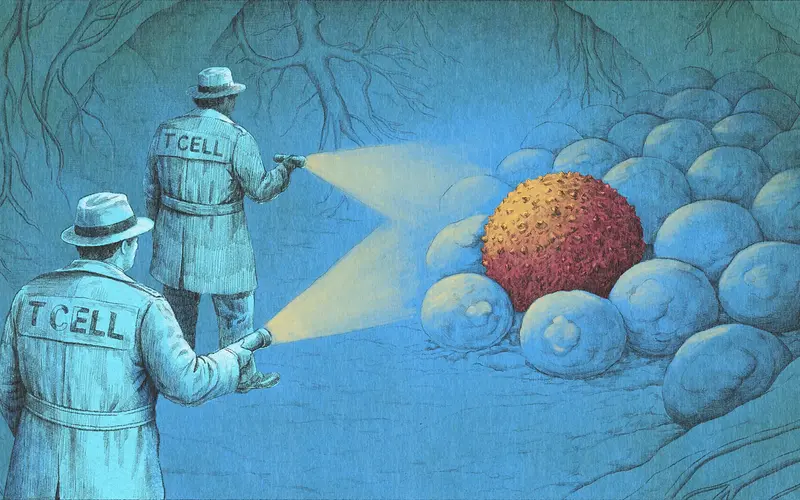
The mechanism underlying immunotherapy addresses a fundamental challenge: cancer cells often evade immune surveillance by mimicking healthy cells or exploiting the immune system's regulatory mechanisms. Treatments like CAR T-cell therapies and checkpoint inhibitors counteract these evasion strategies. However, significant obstacles remain. Response rates hover between 20-40%, and researchers are pursuing multipronged approaches—including dietary interventions, combination therapies, and personalized cancer vaccines—to enhance efficacy. While only approximately 5% of tumors currently possess the genetic profile for surgery-free immunotherapy success, ongoing research promises to expand these transformative treatments to broader patient populations.