Mosquitoes in Iceland: A Climate Change Indicator
Saturday, 2025/10/25218 words3 minutes2834 reads
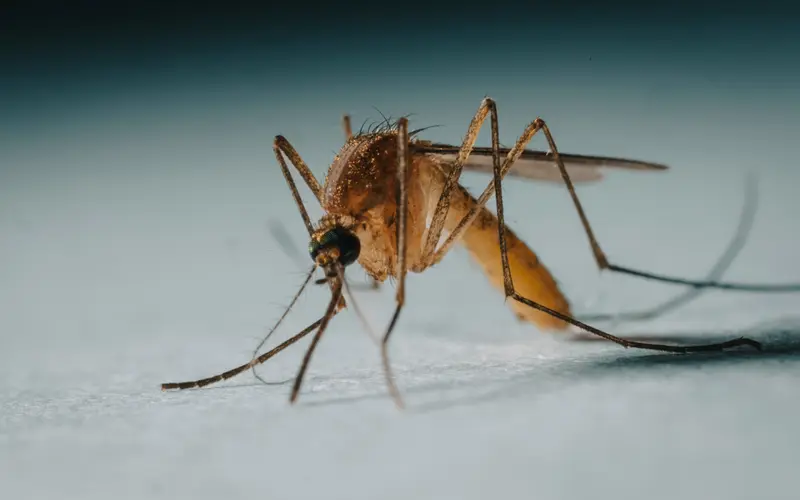
In an unprecedented development, mosquitoes have been discovered in Iceland for the first time, following a period of record-breaking heat. This finding has significant implications for the country's ecosystem and serves as a stark reminder of the far-reaching effects of climate change.
Bjorn Hjaltason, an amateur entomologist, made the groundbreaking discovery while conducting moth observations using wine-soaked ropes. The specimens, later identified as Culiseta annulata - a species known for its winter survival capabilities - were found in Kjós, a glacial valley near Reykjavik.
Iceland, along with Antarctica, had long been celebrated as one of the world's only mosquito-free havens, primarily due to its cold climate and lack of suitable breeding grounds. However, this year's exceptional heat wave, which saw temperatures soar to 26.6°C in May, appears to have altered this status quo.
The discovery raises pertinent questions about the potential cascading effects of global warming on delicate Arctic and sub-Arctic ecosystems. As temperatures continue to rise globally, the migration and establishment of species in previously inhospitable environments may become increasingly common, potentially disrupting existing ecological balances.
While further monitoring is required to determine if the mosquitoes have truly established themselves in Iceland, this incident serves as a tangible example of how climate change can manifest in unexpected ways, even in regions traditionally considered immune to certain impacts.