Microplastics Detected in Human Brain-Tissue Samples
Wednesday, 2026/08/05183 words3 minutes1252 reads
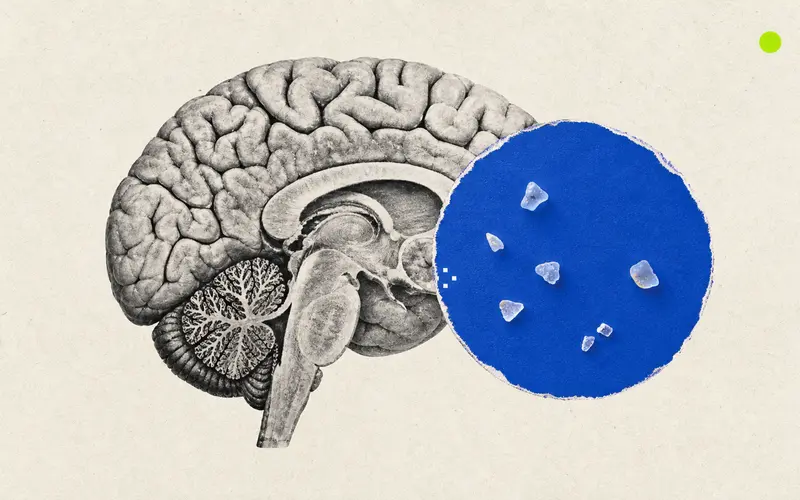
Researchers analysed postmortem samples of the frontal cortex, liver and kidney using chemical analysis and microscopy. They reported micro- and nanoplastics in each type of tissue, with higher concentrations in the brain samples than in the liver or kidneys. Most of the detected material was polyethylene.
The team also reported higher concentrations in samples collected in 2024 than in comparable samples from 2016. Brain samples from people with diagnosed dementia contained more particles, but the authors stress that this is an association, not evidence that plastic causes dementia. Changes linked to dementia could also affect how particles are retained in tissue.
The evidence has important limitations. These were samples from deceased donors, not a study of living people over time. Scientists do not yet understand the routes by which these particles enter the brain, how they may be cleared, or what level of exposure could affect health. A later Nature Medicine commentary also called for stronger contamination controls and standardized testing. The finding is a reason for further research, not a diagnosis or proof of harm. It cannot predict an individual's health risk.