Kerala Addresses Elderly Care Crisis
Thursday, 2026/07/02240 words3 minutes2782 reads
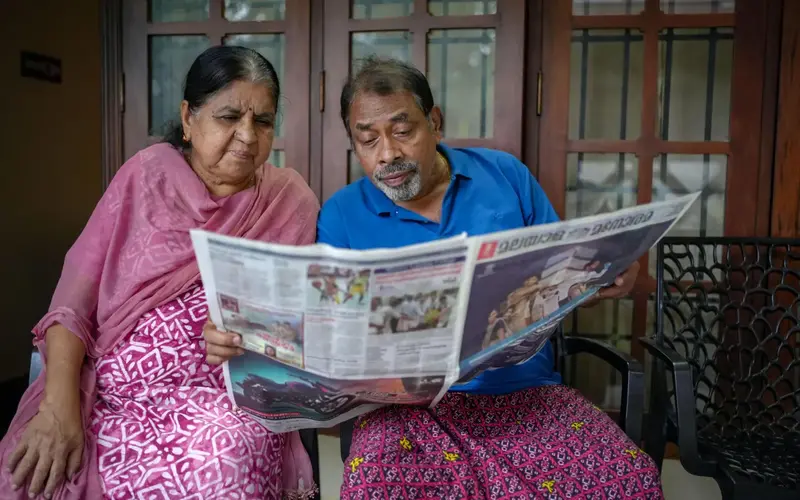
In Kerala, India's fastest-aging state, the predicament of 70-year-old TO Dominic and his wife Martha epitomizes a growing demographic challenge. Their two sons departed years ago seeking better employment opportunities, leaving the elderly couple to manage independently. This scenario reflects a broader transformation as migration steadily weakens traditional multigenerational living arrangements, particularly in Kerala where remittances have boosted incomes but created emotional burdens for families separated by oceans and time zones.
Last month, the state government announced a dedicated department for elderly welfare, reportedly the first of its kind in India. Dr Rathan Kelkar, the department's head, emphasizes that "ageing is no longer just a welfare issue" but cuts across healthcare, housing, transport, and community life. The strategy centers on "ageing in place" through expanded community-based care, social prescribing, certified caregiver training programmes, and infrastructure including elderly parks and day-care facilities. A statewide survey will inform a long-term Silver Economy roadmap.
By 2036, nearly 22.8% of Kerala's population is projected to be over 60, compared with a national average of 14.9%. However, the state has allocated only 100 million rupees for elderly welfare this year, which some describe as largely symbolic. Kelkar acknowledges that infrastructure alone cannot solve loneliness and social isolation, now defining challenges of aging in Kerala. Meanwhile, experts like Dr Prasun Chatterjee highlight systemic gaps, noting too few geriatric specialists and services not designed for elderly needs, underscoring that comprehensive support requires coordination beyond any single department.