Jellycat: The British Plush Toy Conquering China
Monday, 2026/01/05200 words3 minutes3587 reads
The meteoric rise of Jellycat, a British-designed plush toy brand, in China's consumer market exemplifies a fascinating intersection of global marketing strategies and local socioeconomic conditions. Initially targeting children, Jellycat has adroitly pivoted to capture the burgeoning 'kidult' market, particularly resonating with China's millennial and Gen-Z demographics.
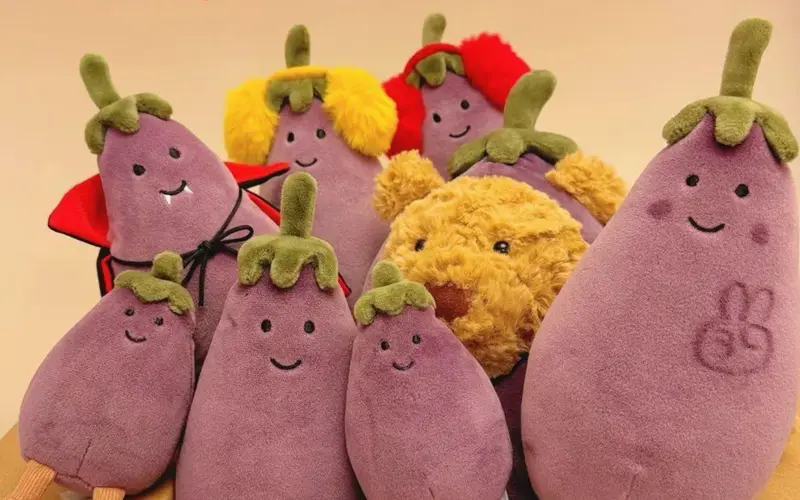
The brand's 'Amuseable' line, featuring anthropomorphized everyday objects, has struck a chord with young Chinese adults grappling with economic uncertainties and societal pressures. This phenomenon reflects a broader trend of seeking comfort in childhood nostalgia, a response to the challenges of navigating adulthood in a rapidly changing society.
Jellycat's success is not merely a testament to effective marketing but also indicative of deeper societal shifts. The brand's popularity among young professionals underscores a growing rejection of traditional markers of adulthood and success. Instead, these consumers are embracing products that offer emotional solace and a form of escapism from the rigors of contemporary life.
However, the sustainability of this trend remains questionable. As some enthusiasts contemplate 'quitting the pit' - a colloquialism for abandoning a hobby - it raises questions about the longevity of such consumer phenomena and their ability to provide lasting emotional support in the face of persistent economic and social challenges.