Japan Earthquake Hits Kumamoto, Killing at Least 13
Wednesday, 2026/07/29249 words4 minutes1372 reads
A powerful earthquake struck Kumamoto prefecture on Japan's southern island of Kyushu at 16:27 local time on Tuesday, leaving at least 13 people dead, according to Prime Minister Sanae Takaichi. Rescue operations continued at damaged locations as officials assessed a situation that was still evolving.
Initial estimates illustrated a familiar feature of earthquake reporting: measurements are refined as more seismic data become available. The Japan Meteorological Agency initially reported a magnitude of 7.1, while the US Geological Survey later assessed the quake at 6.8. These figures describe the energy released by an earthquake, but different agencies may calculate early estimates from different data sets and methods.
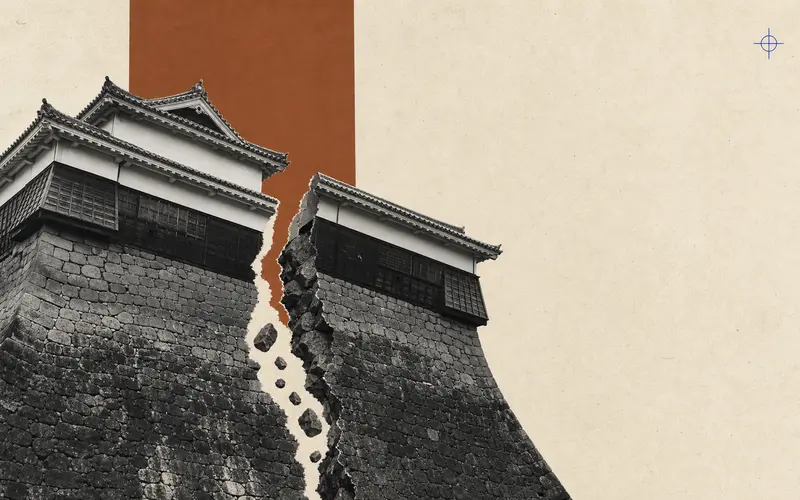
The impact extended beyond the immediate shaking. Roads were damaged, roughly 36,700 households lost electricity and rail services on Kyushu were suspended. Sections of the stone walls at the 17th-century Kumamoto Castle also collapsed. A tsunami warning issued immediately after the quake was lifted within two hours, but the meteorological agency recorded more than 60 aftershocks ranging from magnitude 1 to 4.
Aftershocks are not simply a technical detail. They can further weaken structures that have already been damaged and complicate rescue work, transport and decisions about returning home. The Kumamoto event therefore underlines why official information can change in the first hours after a major disaster: casualty figures, damage assessments and safety instructions need to be updated as responders gain access to affected areas. For residents, the practical priority is to rely on current local guidance rather than on early reports alone.