India Stops Fast Delivery Service
Saturday, 2026/01/17292 words4 minutes3405 reads
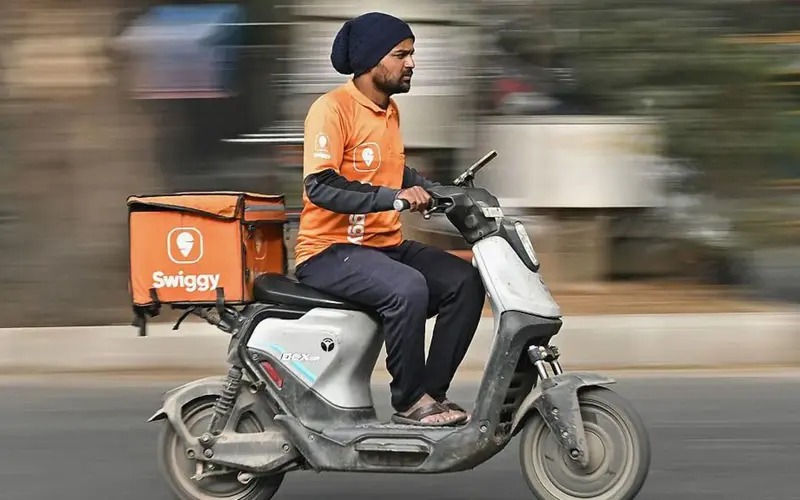
The Indian government has taken a decisive step by instructing quick-commerce platforms to abandon their controversial '10-minute delivery' promise, citing mounting concerns over worker safety. This intervention follows extensive discussions between the federal labour ministry and company officials, prompted by a recent nationwide strike of delivery riders protesting hazardous working conditions.
The quick-commerce model, popularized by major brands such as Zomato, Blinkit, and Zepto, has revolutionized urban shopping habits by offering rapid delivery of groceries and sundry items. While this service has garnered immense popularity among consumers, it has simultaneously drawn criticism for exerting undue pressure on gig workers and exposing them to significant occupational hazards.
The government's directive comes in the wake of a closed-door meeting where officials urged companies to cease promoting tight delivery deadlines. Some platforms, like Blinkit, have already begun to remove explicit '10-minute' delivery promises from their branding and marketing materials. However, the practical implications of this change remain to be seen, as many services continue to operate dark stores in proximity to residential areas, enabling swift order fulfillment.
This development occurs against the backdrop of India's burgeoning gig economy, with projections indicating a substantial increase in the number of gig workers from 7.7 million in 2021 to 23.5 million by 2030. Critics argue that the pressure to meet stringent delivery timelines has led to unsafe riding practices and increased stress for workers, many of whom rely on this work as their primary source of income.
While labor unions have welcomed the government's intervention, some experts and workers remain skeptical about its potential to effect meaningful change. They contend that the inherent speed-driven nature of the system, coupled with algorithmic management practices, may continue to exert pressure on workers even in the absence of explicit time-bound promises.