India Begins Massive Census Operation
Friday, 2026/04/03249 words4 minutes1925 reads
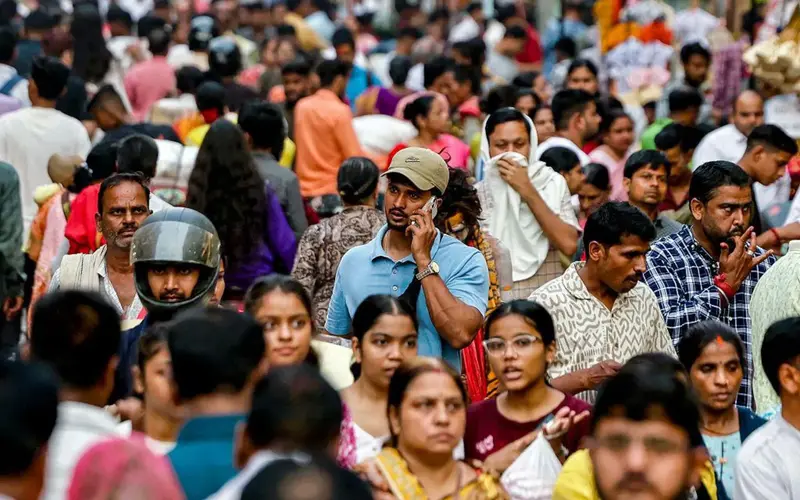
India has launched the world's most ambitious census operation, deploying over three million officials to enumerate more than 1.4 billion people across 36 states and territories. The exercise, delayed since 2021 due to the pandemic and subsequent administrative constraints, represents the first population count in over 15 years and marks a significant departure from traditional methods.
For the first time, the census will be conducted digitally, with enumerators using mobile applications and residents able to self-enumerate through a multilingual online portal. The two-phase operation will initially gather data on housing conditions and amenities, followed by detailed demographic enumeration in February 2027, including the politically sensitive caste data.
The census questionnaire has evolved considerably from its colonial origins as a rudimentary 17-question headcount in 1872. The current 33-question survey reflects shifting state priorities, encompassing not merely identity markers but socio-economic indicators, migration patterns, and modern amenities like internet access. Notably, it acknowledges changing social realities by recognizing live-in relationships as stable unions.
Despite India's status as the world's most populous nation since overtaking China in 2023, it remains remarkably young, with a median age of 28 and nearly 70% of working age. However, the 15-year data gap has forced policymakers to rely on sample surveys, potentially distorting welfare delivery and resource allocation. Economists emphasize that accurate census data is essential for updating classifications of rural and urban areas, which have transformed significantly, and for capturing the millions of urban migrants in informal employment who remain invisible in current policy frameworks.