How Much of Our Personalities Are Determined at Birth?
Tuesday, 2026/05/05213 words3 minutes5117 reads
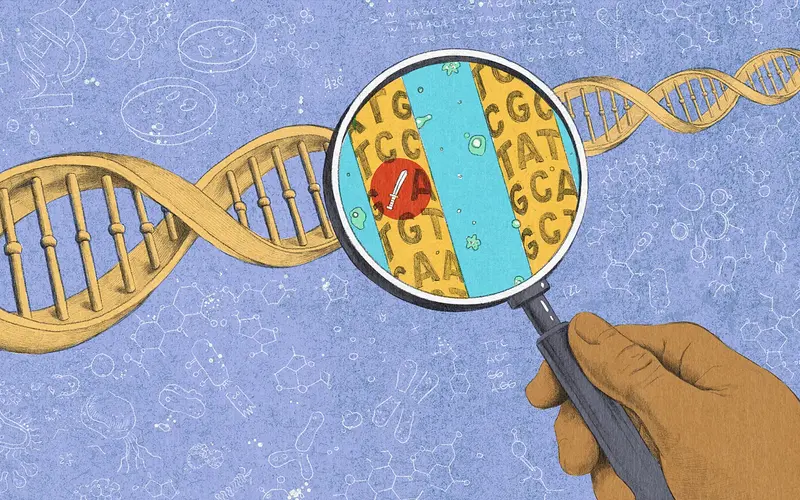
The age-old debate of nature versus nurture has taken on new dimensions as cutting-edge genetic research challenges long-held assumptions about personality formation. While twin studies have historically suggested that 40-50% of personality differences are heritable, modern genome-wide association studies paint a more nuanced picture, with heritability estimates ranging from just 9-18% for Big Five personality traits.
This discrepancy, known as the "missing heritability problem," stems from the polygenic nature of personality. Rather than being controlled by a handful of genes with large effects, personality emerges from thousands of DNA variants, each contributing minuscule effects that accumulate across the entire genome. The infamous "warrior gene" case, where a defendant's sentence was reduced based on genetic predisposition to aggression, exemplifies the dangers of oversimplifying these complex interactions.
Equally surprising is the limited impact of major life events on personality. Contrary to popular narratives about trauma-driven personal growth, research shows that significant adult experiences leave remarkably little trace on our fundamental temperament. Instead, personality appears to be "poly-environmental" – shaped by countless small experiences rather than dramatic turning points. Emerging research also suggests intriguing gene-environment interactions, such as prenatal stress potentially influencing infant temperament through epigenetic mechanisms. What ultimately emerges is a portrait of human nature defined not by determinism, but by remarkable mutability and complexity.