How Emojis Became a Shared Digital Language
Saturday, 2026/08/08198 words3 minutes680 reads
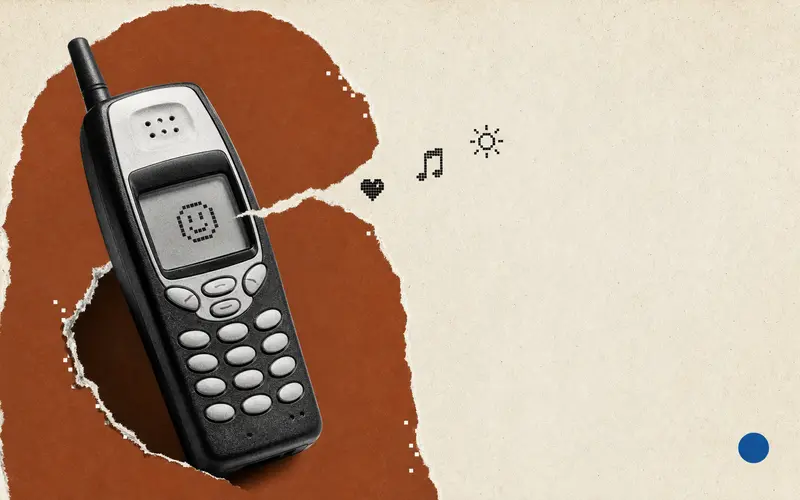
Emoji are now embedded in everyday digital communication, but their rise was neither automatic nor entirely cultural. Shigetaka Kurita's 176-image set, released by NTT DoCoMo in Japan in 1999, showed how compact pictographs could make early mobile messaging more expressive. The original images were limited to a 12-by-12-pixel grid, yet they covered weather, travel, entertainment and facial expression.
Their worldwide spread depended heavily on technical standardization. Unicode encoded the remaining 608 characters from Japanese mobile-carrier emoji sets in Unicode 6.0 in 2010, allowing the symbols to move more reliably between operating systems and services. Unicode defines the characters and sequences, while each platform creates its own visual design. That is why one emoji can look noticeably different on an iPhone, an Android phone or a computer.
Calling emoji a universal language, however, goes too far. The Unicode Consortium says emoji do not have the grammar and vocabulary of a language, and their meanings depend on audience, culture and context. A symbol may soften a short message, signal irony or replace a word, but it can also be read differently across communities. Emoji work best as a flexible extra layer alongside language, rather than as a replacement for it.