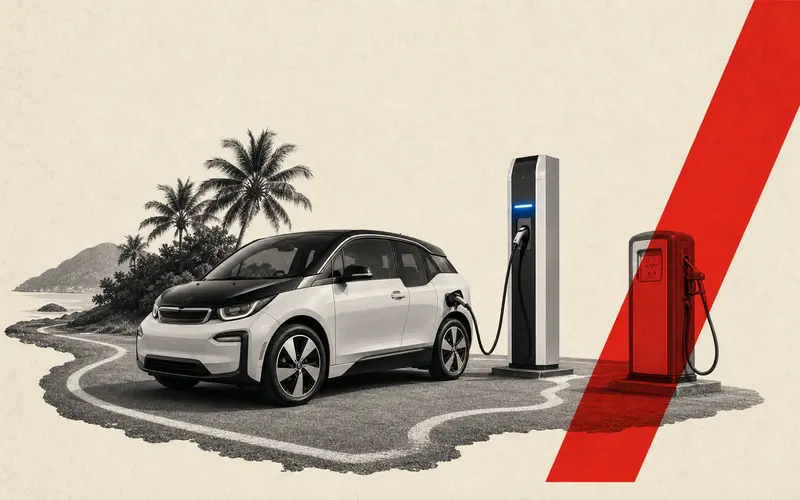
Hainan to Become China's First Province to Stop Selling Gasoline Cars
Friday, 2026/07/17248 words4 minutes2220 reads
Hainan, China's southern island province, is poised to become the country's first provincial-level region to cease the sale of new gasoline-powered vehicles. According to the latest provincial development plan, this ambitious transition is expected to be completed by 2030, representing a significant milestone in China's shift toward sustainable transportation.
The policy specifically targets future vehicle sales rather than existing ownership. Vehicles already purchased and registered will continue to operate normally, while post-2030 consumers will be limited to electric, hydrogen-powered, or other clean-energy alternatives. This approach reflects a gradual implementation strategy designed to minimize disruption.
Several factors position Hainan as an ideal testing ground for this initiative. The province's relatively compact road network and short travel distances alleviate range anxiety concerns that often deter electric vehicle adoption. Furthermore, substantial investments in charging infrastructure and renewable energy projects have created a supportive ecosystem for clean transportation.
This transition aligns with broader national trends. China has emerged as the world's largest electric vehicle market, driven by technological advancements in battery efficiency, declining production costs, and expanding charging networks. The automotive industry's evolution reflects both environmental imperatives and economic opportunities.
However, significant challenges persist. Ensuring adequate charging facilities, maintaining stable electricity supplies, and accommodating mainland tourists driving gasoline vehicles will require sophisticated planning and coordination. Officials acknowledge these complexities while emphasizing the gradual nature of the transition, which allows stakeholders time to adapt and innovate. For international observers, Hainan's experiment offers valuable insights into the practical implementation of ambitious clean transportation policies.