Fighting Phone Addiction: A Personal Journey
Thursday, 2026/07/16197 words3 minutes749 reads
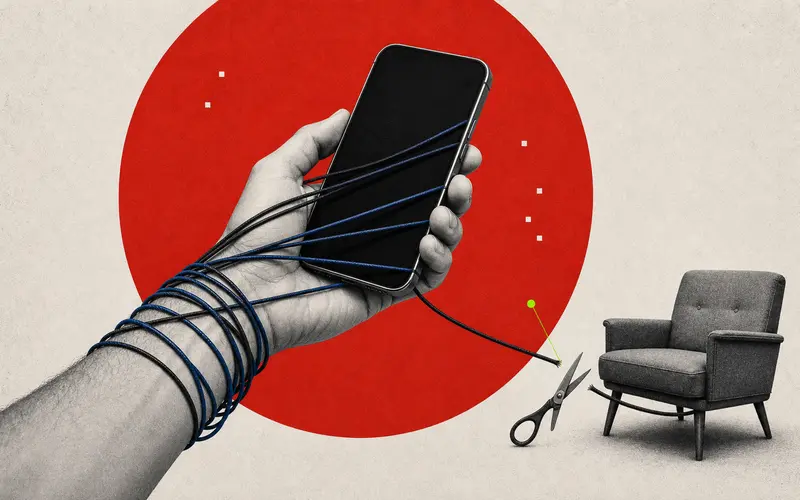
Marios, a personal trainer, can spend upwards of 14 hours daily fixated on his smartphone screen, with Instagram being his primary vice. He characterizes the experience as perpetually carrying his own drug dealer, with the device constantly flashing and beeping, compelling him to take another dose.
Currently undergoing a 12-session private therapy program, Marios attributes his compulsive behavior to underlying loneliness. His struggle reflects a broader societal trend. While phone addiction lacks official recognition as a clinical condition, a Deloitte survey revealed that 70% of 1,000 respondents acknowledged excessive phone usage. UK Addiction Treatment Centres report that one in three clients treated for drug dependency in the past year also exhibited secondary phone dependency, a dramatic increase from one in 10 in 2019.
Therapists explain that smartphones exploit our brain's reward circuitry. Dopamine release triggered by notifications, likes, and novel information creates a reinforcement loop that can spiral into dependency. Treatment approaches include gradual screen time reduction and exploring the underlying emotions that drive escapist behavior. Support groups like Internet and Technology Addicts Anonymous, modeled after AA's 12-step program, offer community-based recovery pathways. Despite the challenges, Marios remains cautiously optimistic about reclaiming control over his digital consumption.