Fast Fashion in India
Saturday, 2026/02/28222 words3 minutes2824 reads
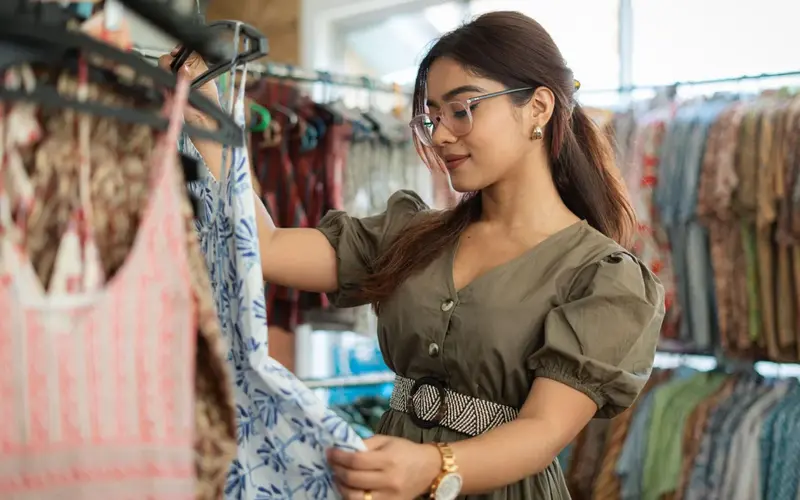
The proliferation of budget fast-fashion brands is fundamentally reshaping consumer behavior in India's tier-2 and tier-3 cities. Alka, a geriatric care worker in Sangli, exemplifies this shift as she browses Reliance Trends' extensive collection of ethnic wear, seeking a specific paisley-motif kurta. The outlet's three floors showcase everything from casual wear to formal attire, all priced between $4 and $15.
This phenomenon represents what retail analysts call a "wallet-shift" rather than increased consumption. Consumers are migrating from unorganized street bazaars to branded outlets offering comparable prices with superior shopping experiences. Zudio's trajectory is particularly striking: from seven stores generating $12 million in 2018 to 765 outlets exceeding $1 billion in revenue by mid-2025, making it India's only billion-dollar clothing brand.
The success stems from adopting Zara's playbook - maintaining 15-day inventory cycles versus competitors' 45-60 days, enabling rapid trend adoption from international fashion capitals. This "trendification" of affordable fashion appeals strongly to Gen-Z and millennial consumers. However, this growth occurs against a backdrop of stagnant wages and tepid private consumption, which constitutes 60% of GDP.
The ecological ramifications are concerning. Textiles rank as India's third-largest source of municipal solid waste, with merely 25% recycled. Globally, less than 1% of used clothing becomes new garments, according to Deloitte. Despite sustainability concerns, the allure of accessible style continues to drive small-town India's fast-fashion adoption.