Domes and Spheres: The Future of Entertainment?
Saturday, 2026/04/04204 words3 minutes2357 reads
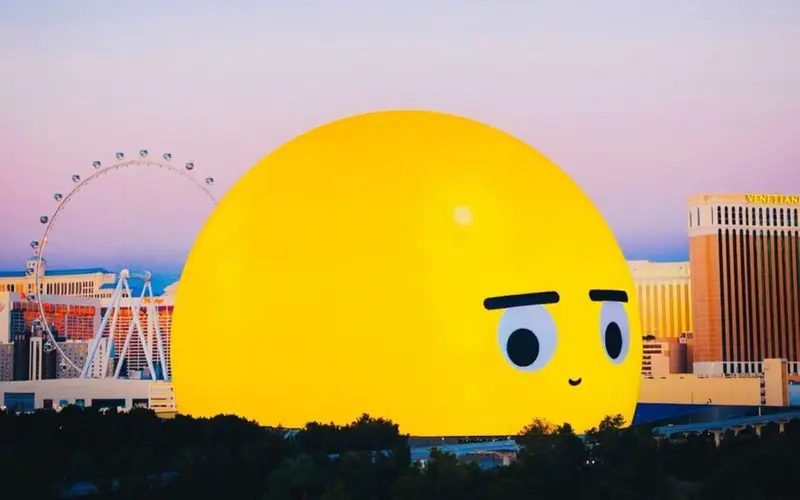
The Las Vegas Sphere represents a bold experiment in entertainment technology. Since opening in September 2023, this $2.3 billion venue has hosted performances ranging from U2 residencies to visually augmented presentations of The Wizard of Oz. Its defining feature is a massive 15,000-square-meter concave LED screen that envelops audiences in graphics and visual effects.
While some visitors like Danielle Renee describe the experience as incomparable, critics remain skeptical. Researcher Manel González-Piñero questions whether such elaborate augmentation is necessary, suggesting the Sphere works best as a Las Vegas-specific prototype rather than a replicable model. Plans for a sister venue in East London were withdrawn after facing opposition from city officials.
Nevertheless, the concept is expanding. Cosm, leveraging decades of planetarium projection expertise, is opening dome-like facilities across multiple U.S. cities, with ambitions for over 100 venues worldwide. These spaces offer live sports broadcasts and films with supplementary visual effects.
The fundamental question remains whether dome-based entertainment can avoid the fate of previous "immersive" technologies like 3D cinema, which repeatedly failed to gain lasting traction. Proponents argue that the sheer scale and technological sophistication of modern domes create genuinely transformative experiences, while skeptics see expensive novelties that may not justify their astronomical costs beyond niche markets.