Cool or Gross? Why 'Ugly Shoes' Are Taking 2026 by Storm
Thursday, 2026/05/14196 words3 minutes4532 reads
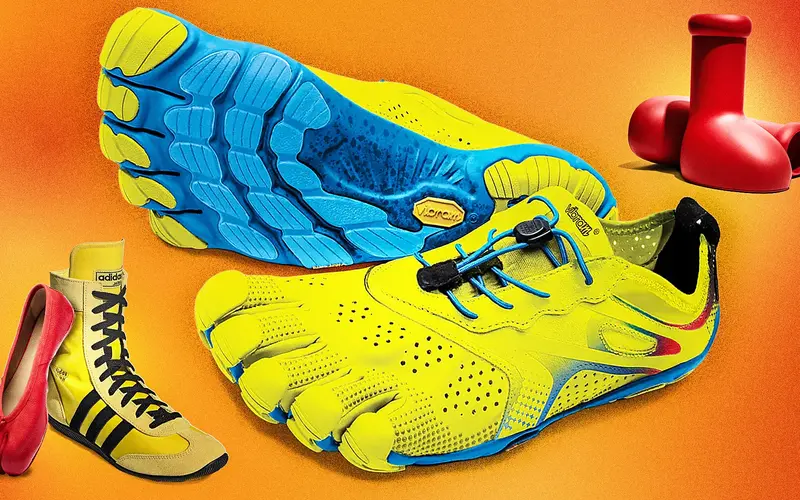
Contemporary fashion has witnessed an unprecedented embrace of unconventional footwear that deliberately challenges traditional notions of elegance and aesthetic appeal. From Vibram's five-toed sneakers to Maison Margiela's iconic split-toe Tabi shoes, these "ugly" designs have transcended novelty status to become genuine cultural signifiers.
Fashion analyst J'Nae Phillips argues that these hybrid silhouettes—the "Frankenshoes" that merge disparate styles—serve as visual manifestations of broader cultural shifts. They reflect the collapse of boundaries between utility wear, sportswear, and luxury fashion, mirroring how contemporary life blurs distinctions between work and leisure, masculine and feminine codes. The "wrong-shoe theory" popularized on TikTok epitomizes this aesthetic: deliberately mismatched footwear injects personality and disrupts overly curated presentations.
Market researcher Meg Palmer identifies these shoes as antidotes to algorithmic predictability and AI-generated perfection. In an era of meticulously optimized online personas, wearing something intentionally awkward becomes an act of authenticity. The split-toe shoe, for instance, functions as an "If You Know You Know" marker—a subtle signal of subcultural fluency. Yet beneath the theoretical discourse lies a pragmatic truth: approach shoes and gardening clogs have gained traction primarily because they offer exceptional comfort, proving that fashion rebellion and practical functionality need not be mutually exclusive.