China Has Too Much Solar Power for Its Grid to Use
Wednesday, 2026/08/19186 words3 minutes472 reads
China has constructed substantial solar and wind power capacity, yet portions of its electricity grid cannot consistently utilize all the renewable energy these installations could generate. During the first half of 2026, China curtailed some potential wind and solar generation—a practice of reducing output when grid systems cannot accommodate available supply.
The magnitude of curtailment remains contested. Official Chinese statistics indicate lower rates of curtailed renewable power compared to estimates from independent research organizations. Nevertheless, both datasets underscore a fundamental challenge: renewable energy infrastructure is being deployed more rapidly than complementary transmission networks, energy storage solutions, and ancillary power system components can be developed.
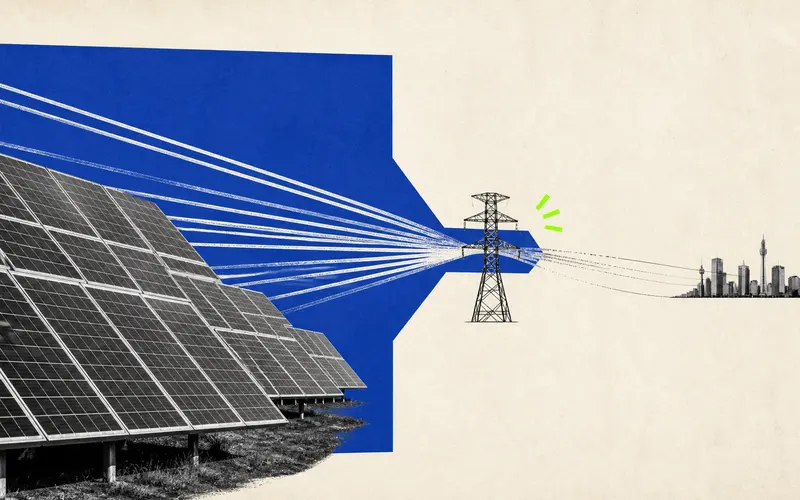
Solar-generated electricity must traverse transmission lines and may require battery storage before reaching end consumers. When any element of this chain reaches capacity during periods of high renewable output, otherwise available clean energy cannot be utilized. This phenomenon is not unique to China; Australia, Japan, and India confront similar integration challenges as their renewable portfolios expand. While constructing generation capacity is crucial, concurrent advancement of grid infrastructure, storage technologies, and sophisticated power-system management protocols remains equally imperative for maximizing renewable energy utilization.