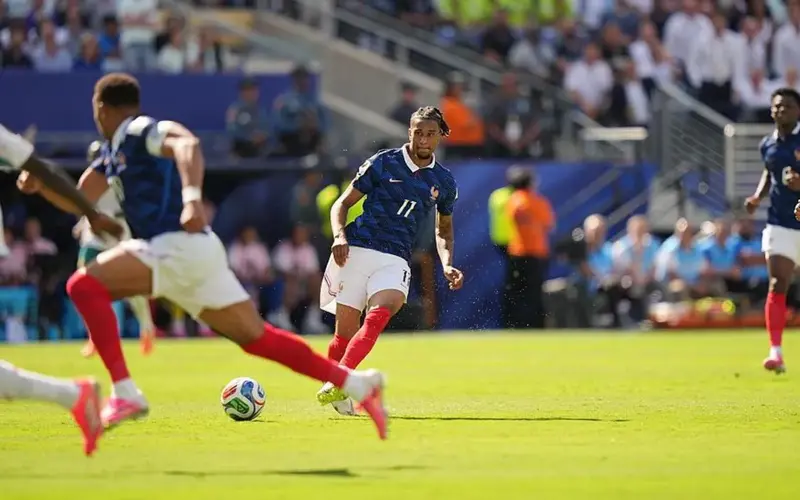
Blood Ties and Opportunity: Players Representing Adopted Nations
Thursday, 2026/06/25200 words3 minutes3508 reads
The 2026 FIFA World Cup has shattered previous records, with over 23% of participating players—289 out of 1,248—representing nations other than their birthplace. This surge reflects profound shifts in global migration patterns and the evolving nature of national identity in elite sports.
Historically, FIFA's nationality regulations have undergone significant transformations. Until the 1960s, players could represent any country they chose, exemplified by Luis Monti, who played in World Cup finals for both Argentina and Italy. Modern eligibility criteria, established in 1962 and refined in subsequent decades, now require citizenship and a demonstrable connection through parentage, ancestry, or five years of residency.
The phenomenon has proven particularly advantageous for diaspora nations like Morocco, which strategically deployed scouts across European countries with substantial Moroccan communities. This approach yielded remarkable dividends, culminating in Morocco's historic semi-final appearance in 2022—a testament to how effectively leveraging diaspora talent can transform a national team's fortunes.
Yet the trend remains contentious. Critics argue it dilutes national identity and fan connection, while proponents emphasize athletes' rights to self-determination and the reality of contemporary global mobility. As Dr. Myriam Cherti observes, national teams increasingly reflect not just domestic populations but the complex interplay of migration, history, and transnational identity.