Big Dinosaur Found in Thailand
Thursday, 2026/05/21215 words3 minutes4312 reads
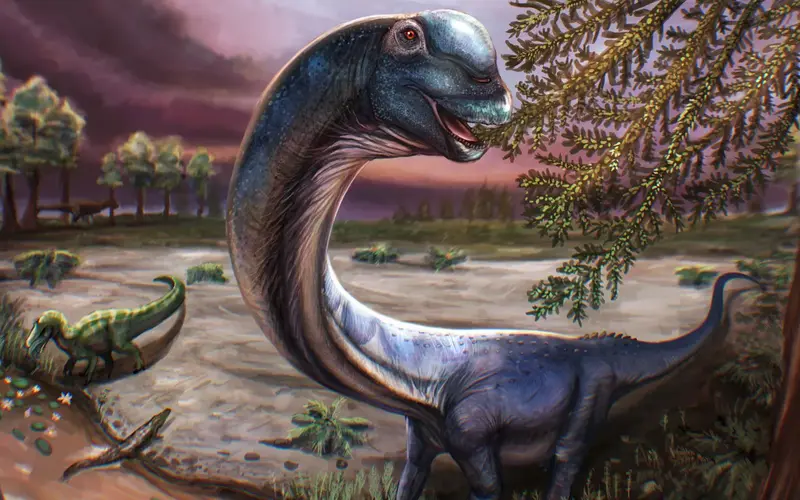
A groundbreaking paleontological discovery has revealed a new species of titanosaur from fossils unearthed in north-eastern Thailand. The nagatitan chaiyaphumensis represents the largest dinosaur ever identified in South-East Asia, measuring 27 meters in length and weighing approximately 27 tonnes—equivalent to nine adult Asian elephants.
This herbivorous sauropod inhabited the region between 100 and 120 million years ago, during a period characterized by elevated atmospheric carbon dioxide levels and high global temperatures. The discovery, published in Scientific Reports by researchers from University College London and Thai institutions, provides crucial insights into how climatic conditions influenced the evolution of gigantic dinosaurs.
Lead author Thitiwoot Sethapanichsakul describes the nagatitan as "the last titan" of Thailand, as the fossils were recovered from the country's youngest dinosaur-bearing rock formation. Subsequent geological layers indicate the region transformed into a shallow sea, making future discoveries of large sauropods unlikely. The find is particularly significant given Thailand's remarkable paleontological diversity—the nagatitan is the 14th dinosaur species named in the country.
Intriguingly, the nagatitan's existence during a period of extreme heat presents a physiological paradox. Professor Paul Upchurch notes that large bodies retain heat more efficiently, making thermoregulation challenging. The prevailing hypothesis suggests that elevated temperatures significantly impacted vegetation patterns, potentially creating abundant plant fodder that sustained these colossal herbivores despite the thermal challenges.