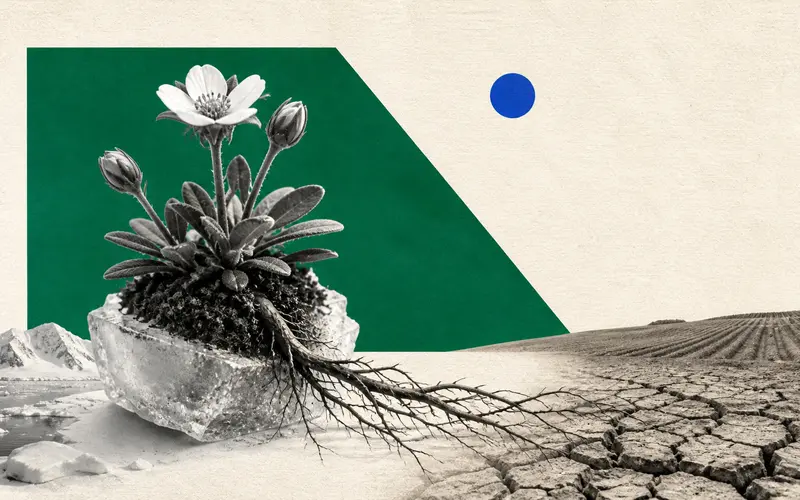
Can an Antarctic Plant Help Us Grow Better Food?
Friday, 2026/08/21143 words2 minutes1697 reads
A Chile-led research team has completed the most detailed genome map so far for Colobanthus quitensis, a flowering plant native to Antarctica. It is one of only two native flowering species able to grow on the continent.
The plant has strong resilience in extreme conditions. It can survive intense cold, live with very little water, and withstand strong ultraviolet radiation. These abilities make it useful for research on how plants adapt to harsh environments.
Researchers want to identify the genes linked to those abilities. In the future, gene-editing technology might help transfer similar useful traits to food crops such as wheat and rice. This could help crops cope with drought and other climate-related stress.
The team says tangible agricultural use is still likely to be five to ten years away. The study also builds on earlier research by the Korea Polar Research Institute.